Climate Adaptation, Peacebuilding, and Economic Resilience being addressed collectively.
Peace Rise
Advancing Conflict-Sensitive Ecosystem-Based Adaptation to Sustain Peace and Strengthen Resilience
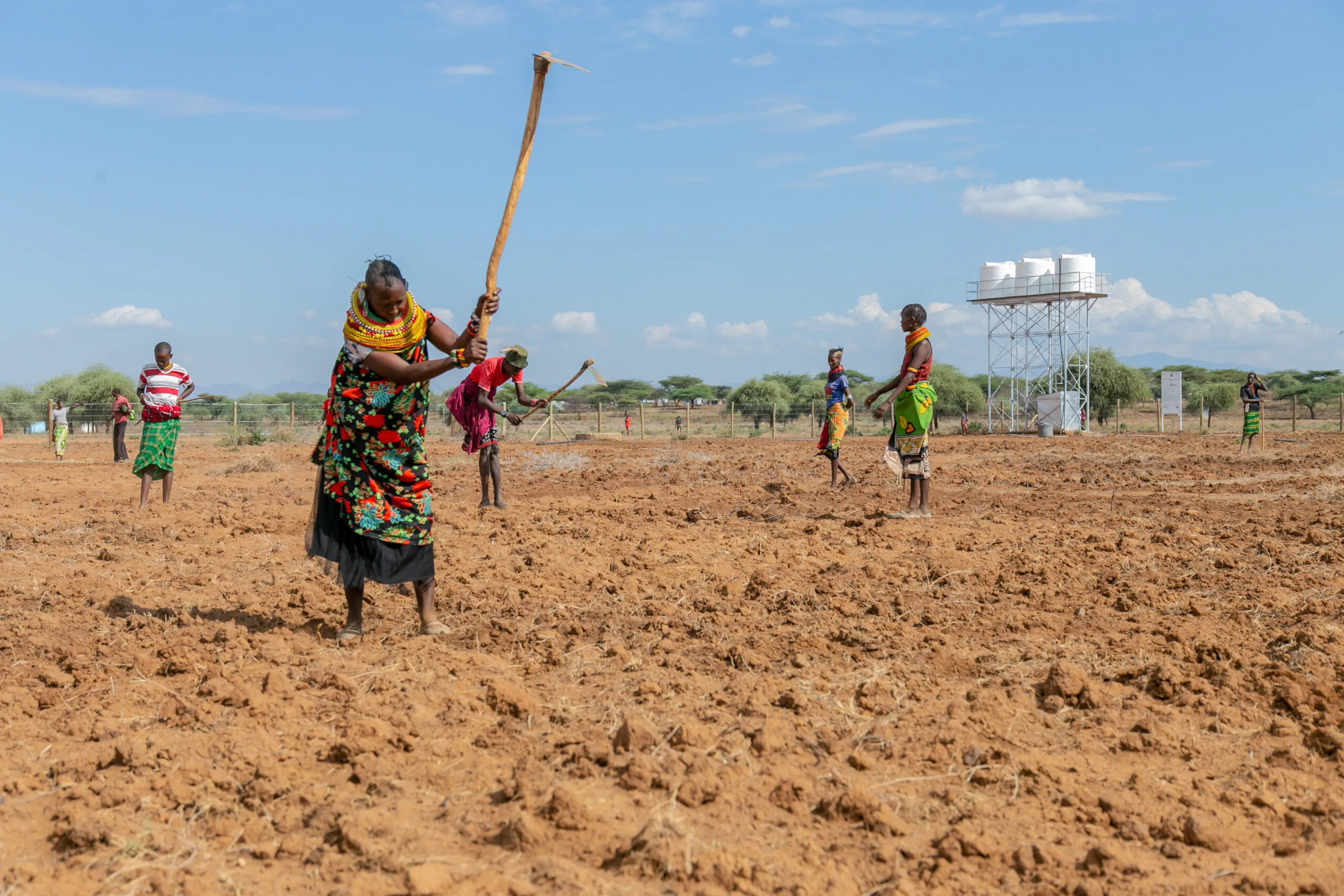
The Mandera Triangle is one of the most dynamic cross-border ecosystems in the Horn of Africa. Pastoral mobility, shared water basins such as the Dawa River, and interlinked markets shape everyday life across borders. At the same time, the region faces converging and compounding pressures:
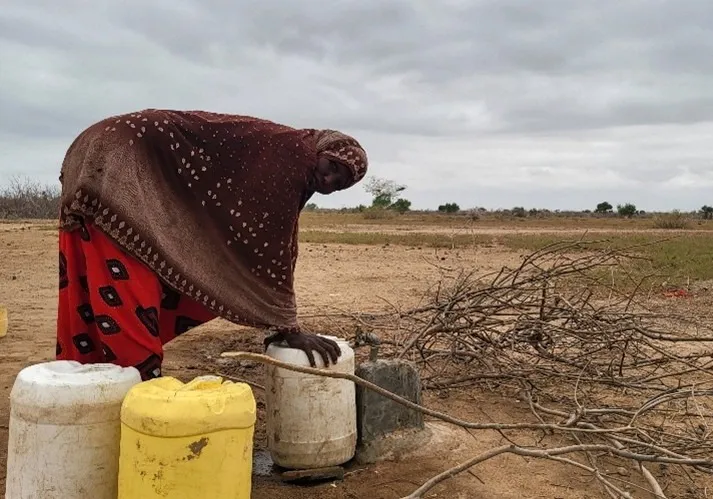
Climate Pressure
Recurrent droughts, erratic rainfall, and environmental degradation intensify competition over shared land, water, and pasture.
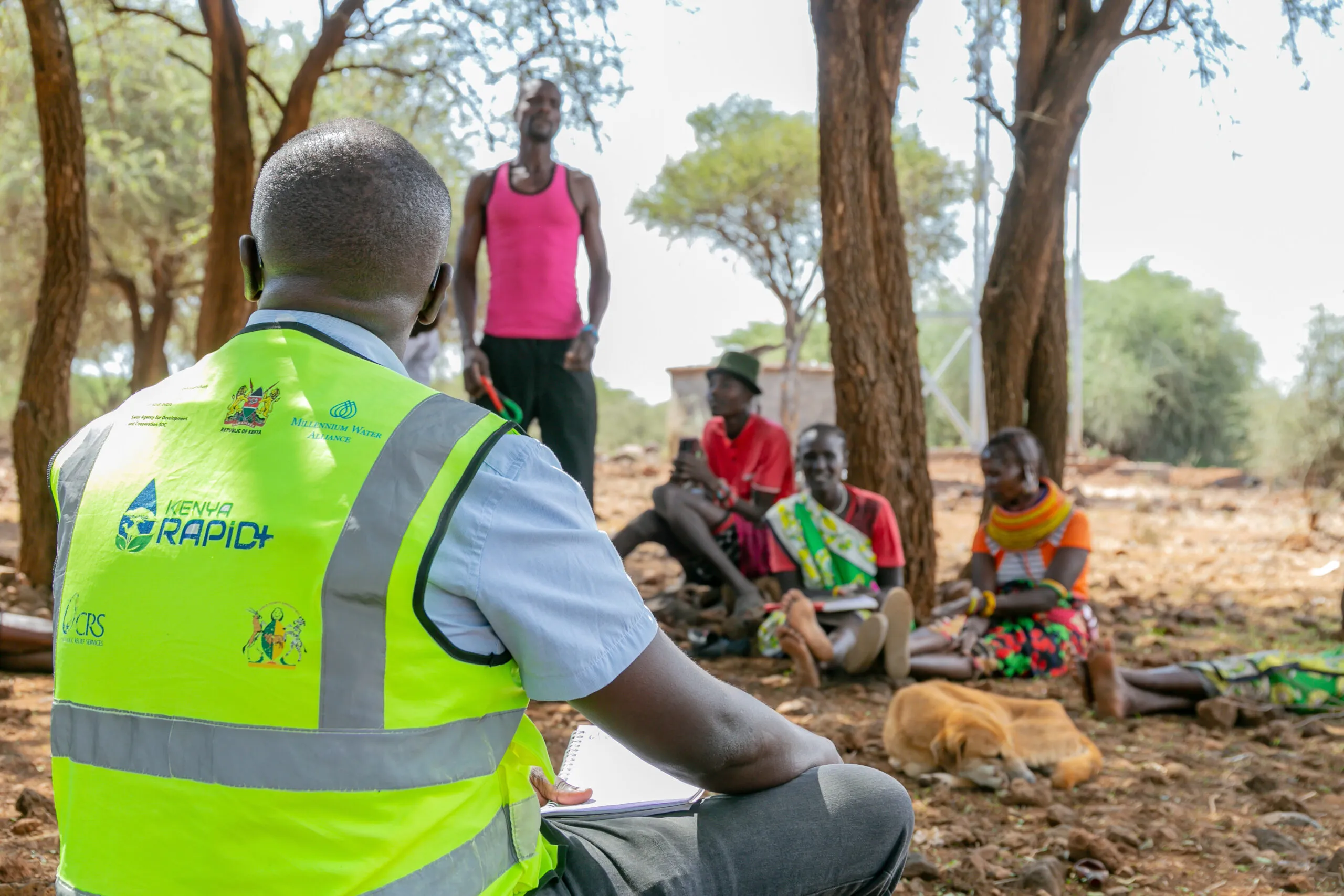
Conflict Dynamics
Resource scarcity, governance gaps, and social tensions create recurring conflict that undermines livelihoods and regional stability.
Governance Complexity
Layered formal, customary, and cross-border governance structures require integrated, multi-level solutions to resource management.
The Vision
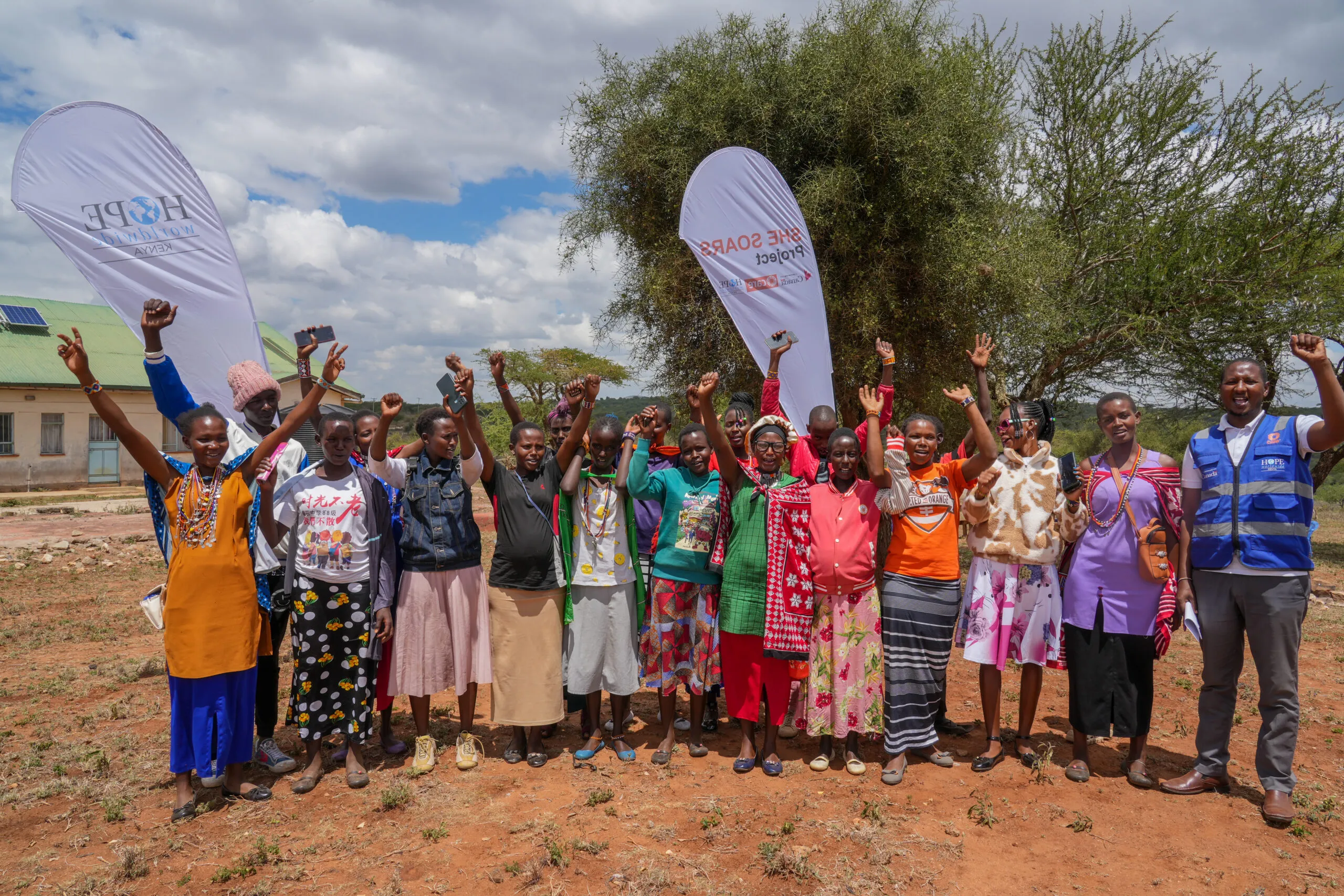
Project Goal
Enhance climate resilience and sustain peace in the Mandera Triangle by integrating conflict-sensitive, gender-transformative ecosystem-based adaptation with strengthened local and cross-border governance, early warning systems, and diversified livelihoods.
PEACE-RISE links three mutually reinforcing dimensions into a single, coherent cross-border resilience framework:
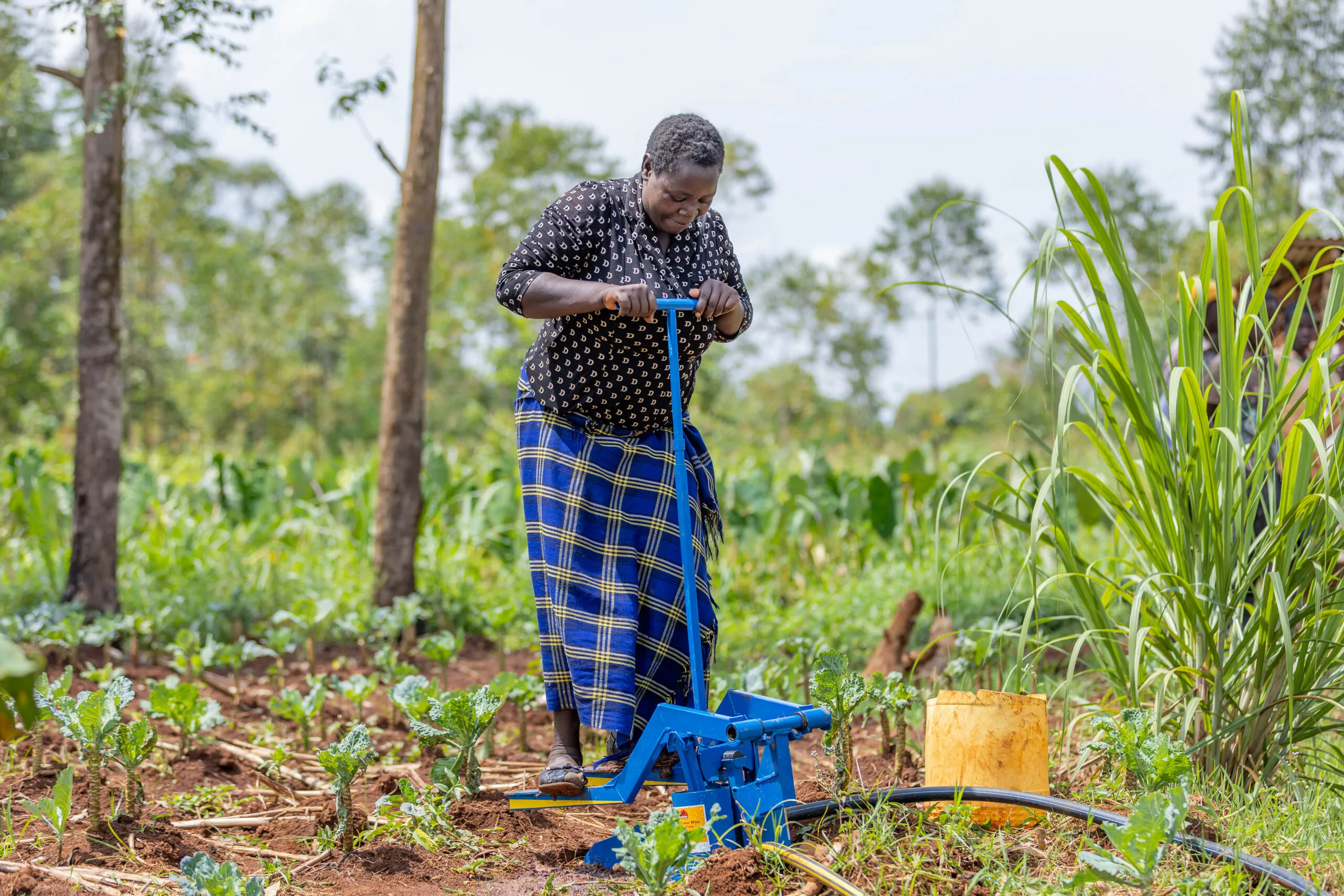
Adaptation
Measures must reduce conflict risks
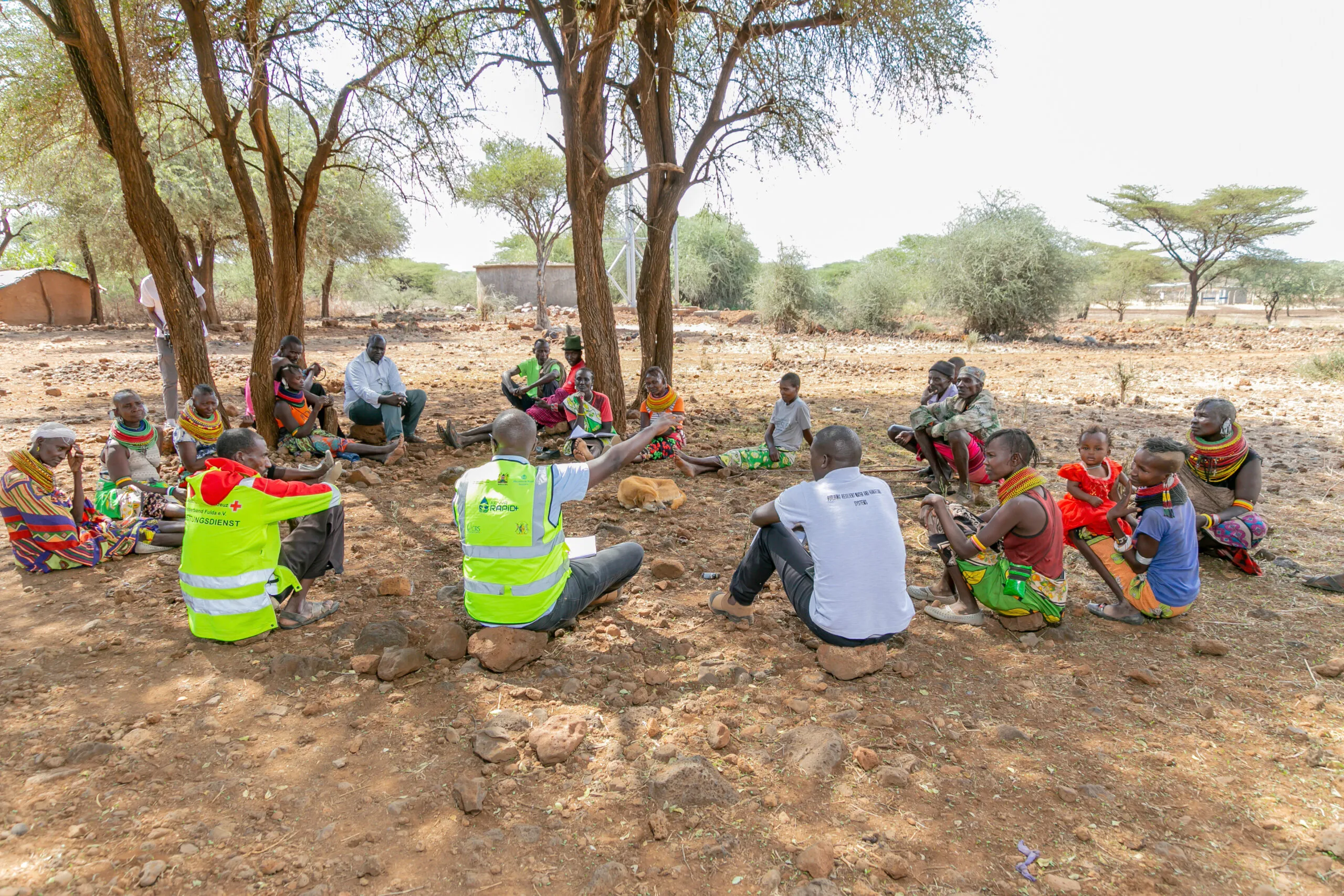
Peace
Structures must enable equitable resource governance
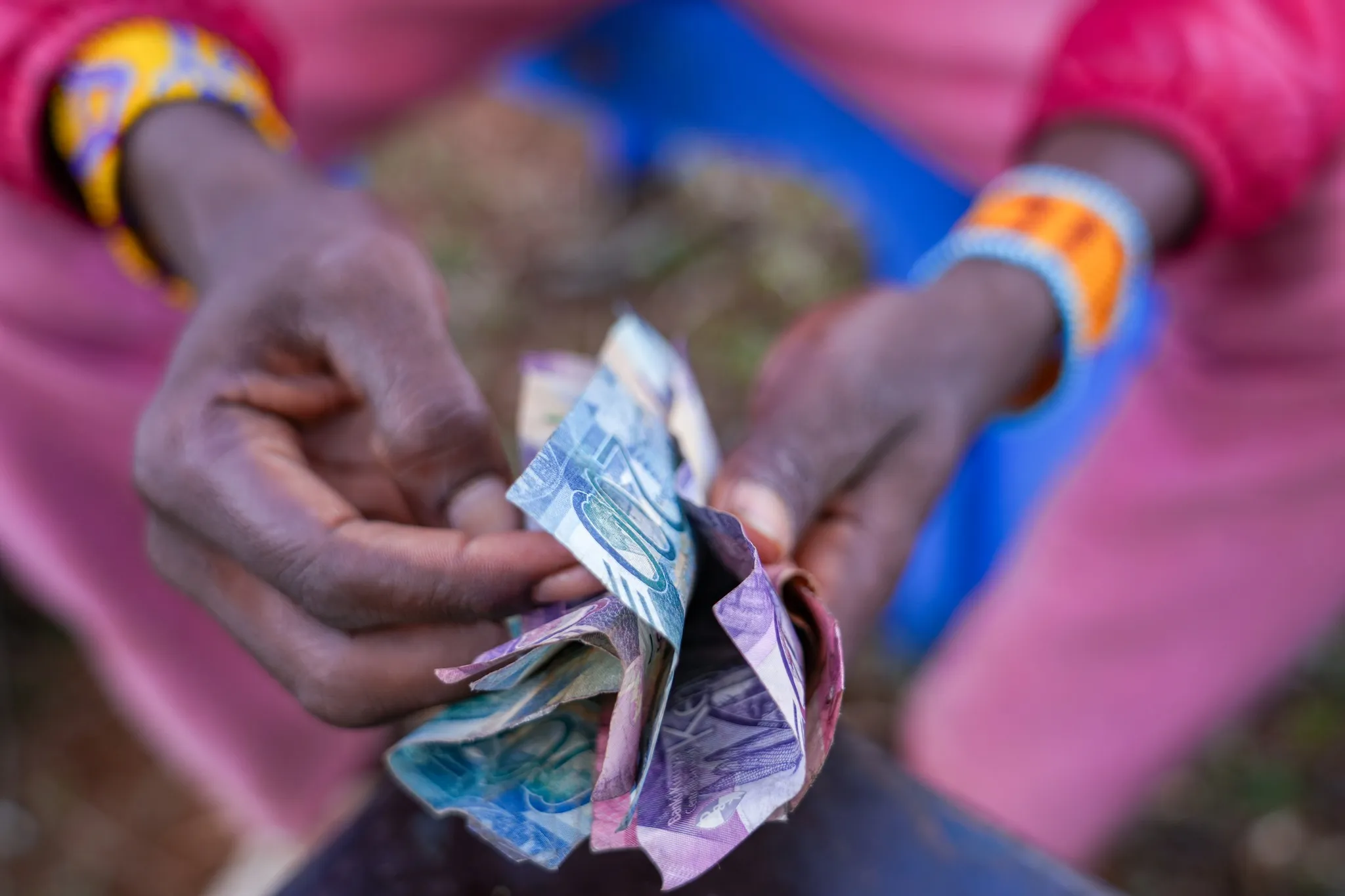
Economy
Opportunities must ease ecosystem pressure
PEACE-RISE implements a multisectoral design through four interlinked work packages — intentionally sequenced, layered, and mutually reinforcing to address the interconnected challenges identified by communities in the Mandera Triangle.
Climate Adaptation
Ecosystem-Based Adaptation
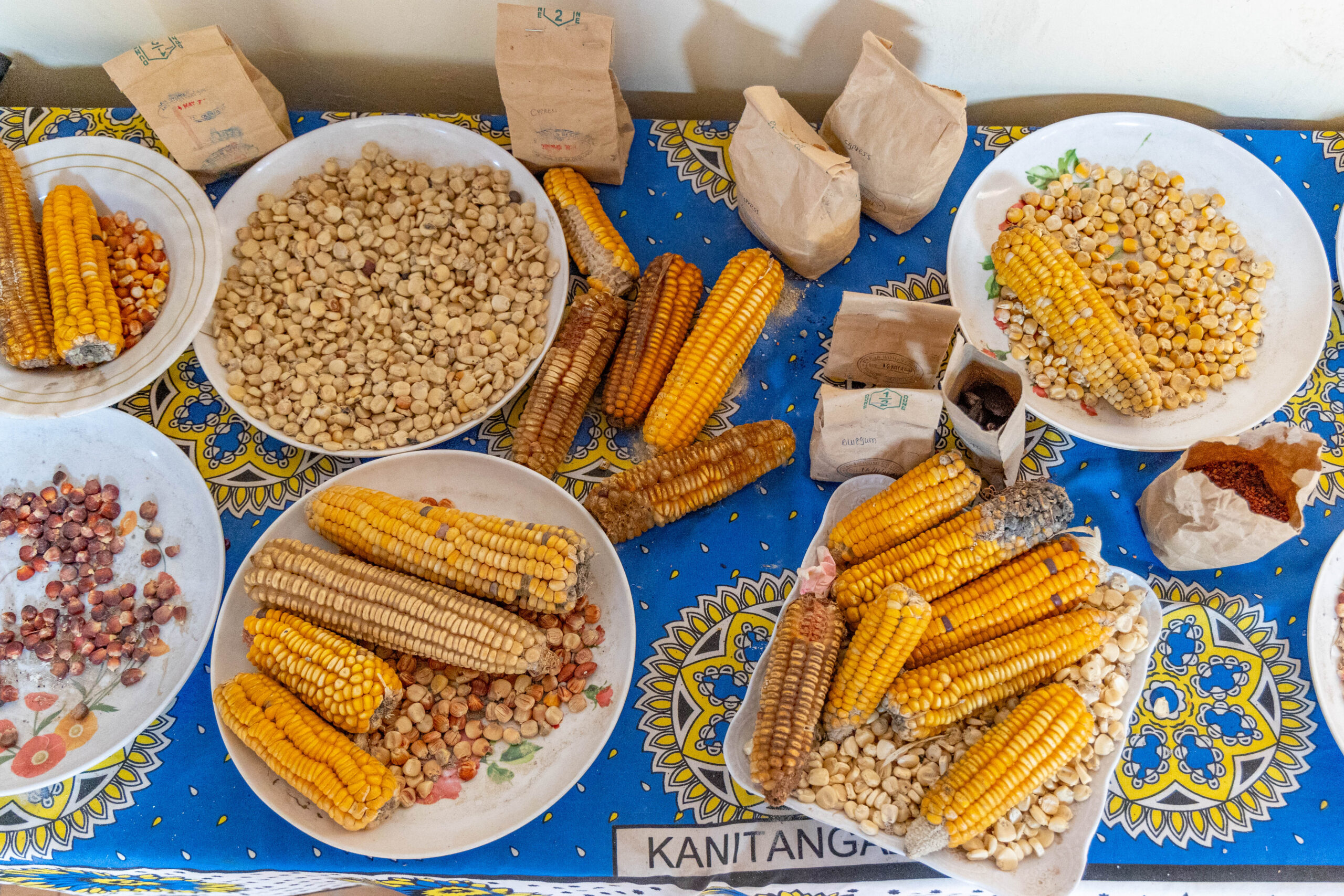
Restore degraded landscapes, strengthen shared natural resource management, and integrate climate-smart practices into pastoral livelihoods — reducing ecological stress across the Mandera Triangle.
Early Warning
Conflict-Sensitive Early Warning
Build cross-border early warning systems that detect climate and conflict triggers early, enabling communities, authorities, and institutions to act before tensions escalate.
Governance
Cross-Border Governance
Strengthening local and regional governance mechanisms — linking formal institutions, customary authorities, and cross-border coordination bodies — to manage shared resources equitably and sustainably.
Livelihoods
Diversified Livelihoods
Reduce dependency on stressed ecosystems by supporting alternative income sources, building economic resilience, and relieving competition over land, water, and pasture.
Cross - Cutting Principles
Mainstreaming Peace
Peacebuilding is embedded across every aspect of PEACE-RISE and not confined to a single activity. Conflict sensitivity and "do no harm" principles underpin all interventions. Resource management is co-designed with communities, early warning systems help prevent escalation, and livelihoods programmes reduce economic stressors that often trigger tensions. By systematically linking local, cross-border, and regional mechanisms, the project strengthens institutions, social cohesion, and collaboration across communities, creating durable conditions for stability in a fragile and interconnected environment.
Gender-Transformative Approach
PEACE-RISE goes beyond gender sensitivity to actively transform the social and institutional norms that limit participation and equity. It addresses individual agency, relational dynamics, and structural barriers ensuring that adaptation, peacebuilding, and livelihood interventions benefit all community members equitably and help reconfigure power dynamics for long-term peace.
The Implementing Consortium
PEACE-RISE is implemented by a strong, multi-disciplinary consortium that combines gender, peacebuilding, environmental, research, media, and regional governance expertise.
Together, the partners provide institutional depth, cross-border coordination, and long-term sustainability.