The Nine Who Refused to Bow to the Sun

By By CARE Kenya May 5, 2026

In one of Kenya's most unforgiving landscapes, nine smallholder farmers chose a different future and turned 8 acres of scorched earth into a 700% harvest miracle.

The sun in Garissa County does not forgive. It beats down on cracked earth, shrivels pastures, and has, for generations, made the simple act of growing food feel like an argument you are destined to lose. The people here have long known how to survive through pastoralism, moving their livestock across the plains in search of pasture. This has been both their livelihood and identity, but climate change is rewriting the rules as droughts arrive harder and more often now.


"Every litre of diesel burned was a calculation: fuel for the pump, or food for the children?"

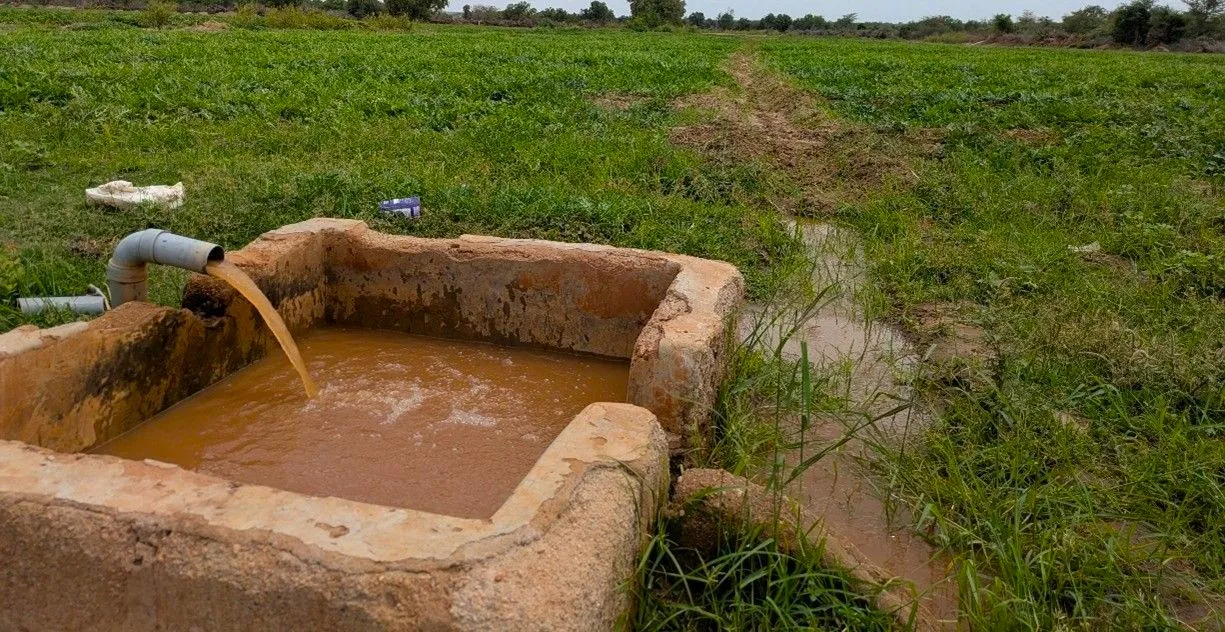
The nine farmers, five men and four women, of Maji Mazuri Farm had the basics in place, land, a river running alongside it and a solar pump system but their 3-kW setup was never enough for it could not pull enough water from the Tana to keep their crops alive through the dry months. This meant reaching for diesel, which was expensive, and unpredictable.

For the women in the group, who carry the heaviest load of household food security, the maths was impossible to balance and make it work as with only 3 acres under cultivation, they grew green pepper and harvested 8,000 kilograms in a season. The net income for all nine families combined was KES 209,000 and shared between nine households, which was not nearly enough.

In a region where drought is not an exception but a rhythm, waiting for disaster before acting costs lives and CARE Kenya’s Anticipatory and Early Action Fund operating was right on time. The Anticipatory and Early Action Fund supports drought preparedness and resilience-building in climate-vulnerable communities across Kenya.  The fund operates on a simple but urgent logic of better to build resilience now, before the next dry spell strips families of everything they have.


What CARE brought to Maji Mazuri was not charity but capability.  Through the Anticipatory and Early Action fund it was able to bring a new surface water pump, twelve 540-watt solar panels and a 9-kW inverter that expanded the farm’s solar system from 3 kW to 7.5 kW.  The river had always been there and now the farmers could easily reach it.

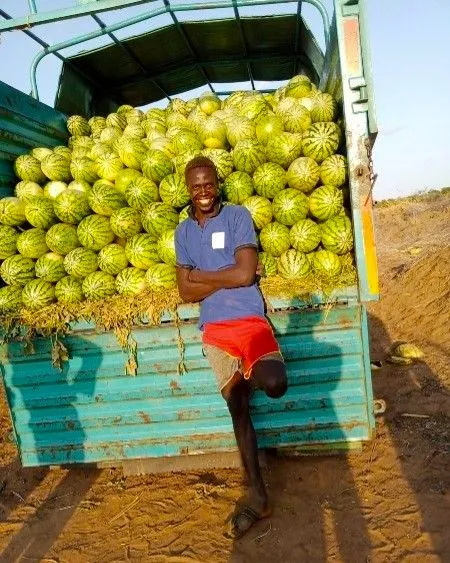
Now with the upgraded system, the farmers expanded cultivation from 3 acres to all 8 translating to 167% increase. They were able to shift from green pepper to watermelon, a crop that demands more water but delivers more in return. Their harvest jumped from 8,000 to 64,000 kilograms in a single season and their gross revenue leapt from KES 320,000 to KES 1,152,000 meaning a child ate better that season, school fees was paid without panic and a woman who did not have to choose between her farm and her family.

"The river was always there. Now, finally, they could reach it."

The deeper transformation at Maji Mazuri is not only measured in shillings as in Garissa, but livelihoods have also long been anchored to livestock that are as much cultural identity as economic asset. Droughts have been growing more severe and more frequent; therefore, pastoralism has become an increasingly dangerous gamble as when herds collapse, everything built around them collapses too.

Solar-powered irrigated farming offers something rare in this landscape: an income that does not depend on the rain meaning that crops keep growing through dry spells as solar energy does not run out when diesel prices spike. Nine families now have a foothold in something more stable, a diversified livelihood that can absorb climate shock without shattering.

The investment at Maji Mazuri was modest but the returns in food, income, dignity, and climate resilience have been profound. Now imagine this replicated across the hundreds of thousands of smallholder farmers in Kenya’s arid and semi-arid counties, farming with inadequate tools, watching diesel costs eat their margins, praying each season that the rains will come.

The technology exists, the knowledge exists and the will as Maji Mazuri Farm proves absolutely exists. What is needed is the funding, the policy support, and the sustained commitment to reach people who have been waiting long enough.

Back to Top