
All CARE Kenya programmes have cross-cutting approaches that ensure integrated, women and girls’ -transformative, and sustainable impact.
Our Focus
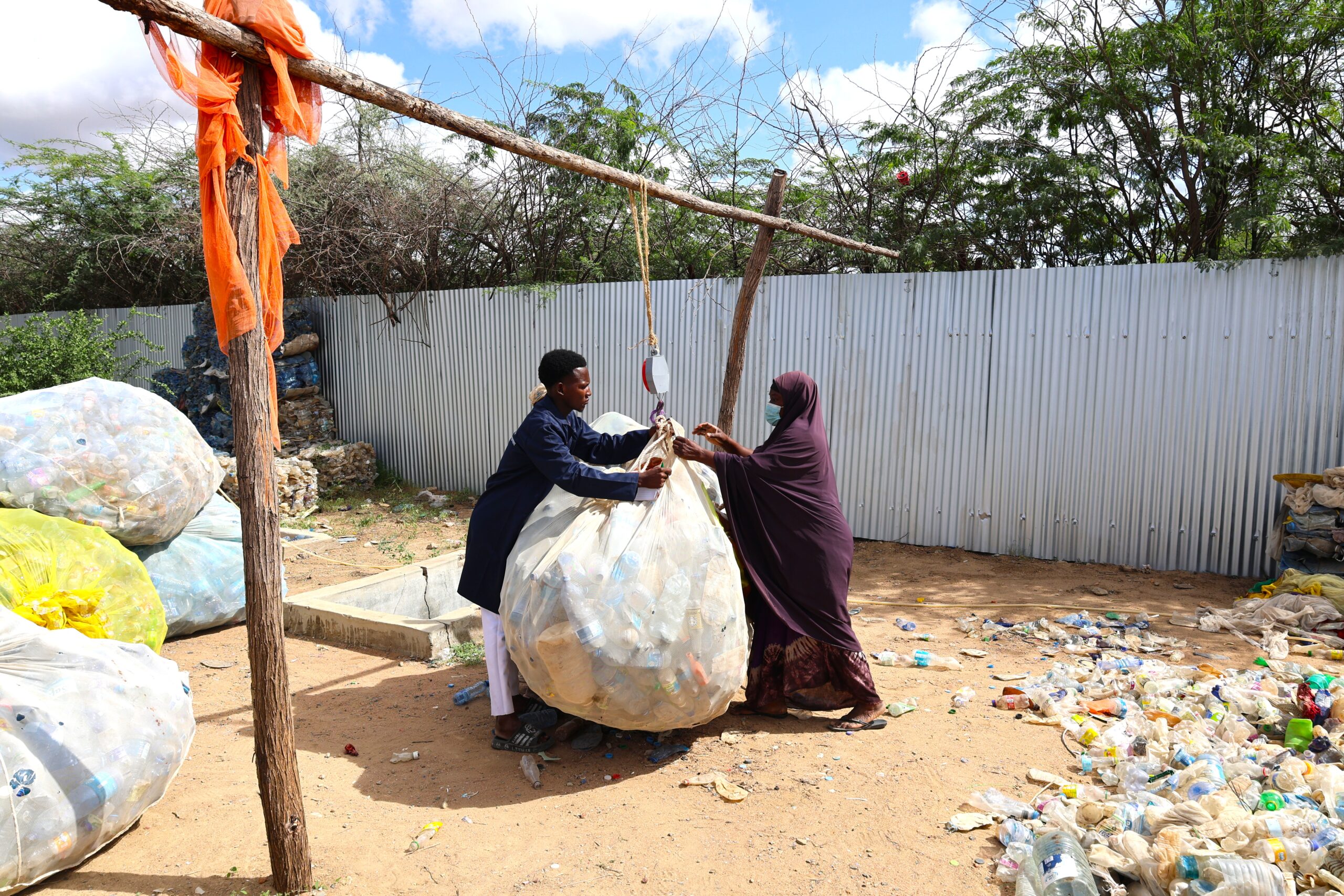
Technical Flagship Approaches
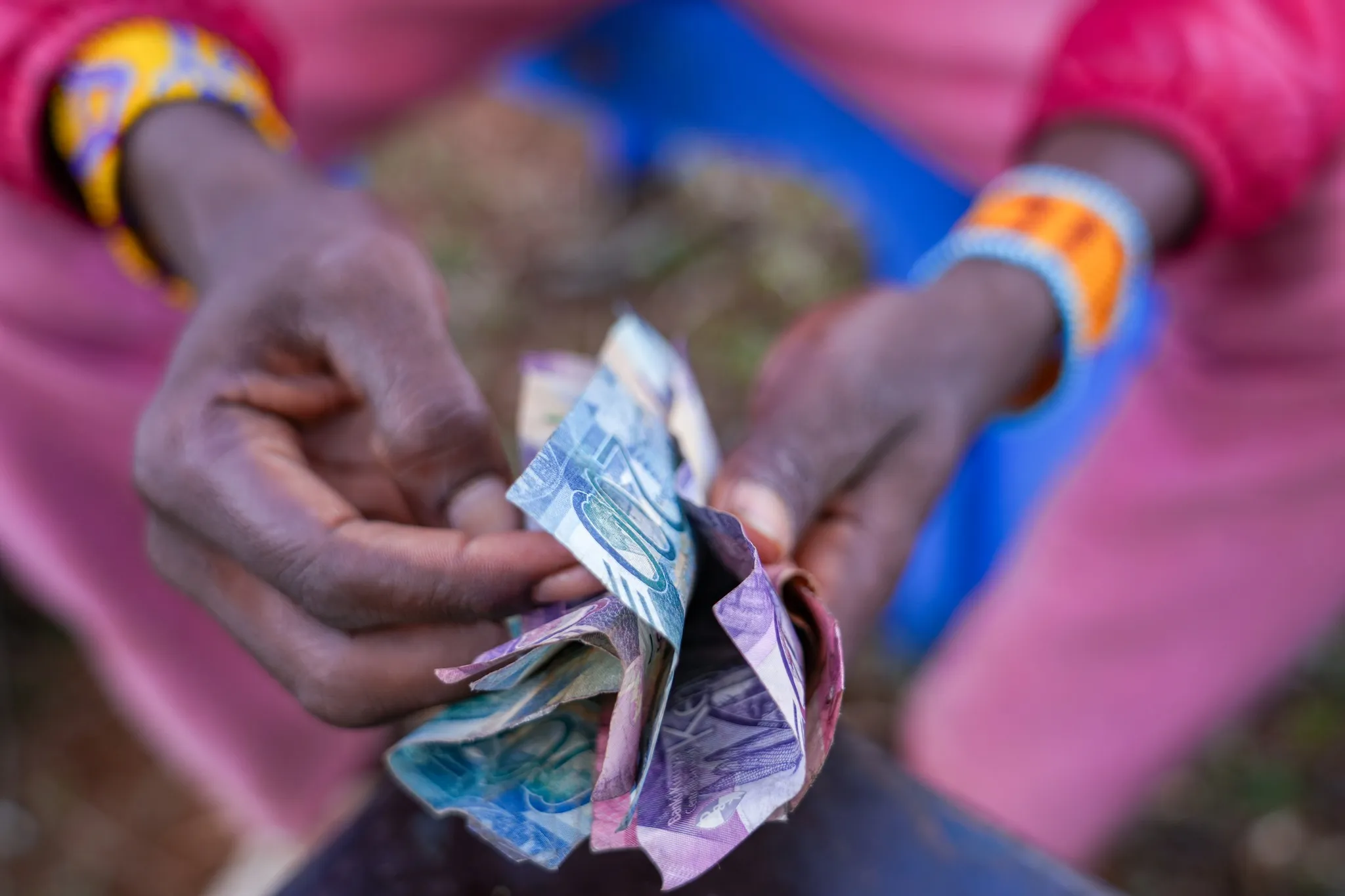
Village Savings and Loan Associations (VSLA)
CARE Kenya has pioneered and scaled Village Savings and Loan Associations (VSLAs) as a cornerstone of community empowerment. To date CARE Kenya has work with about 40,000 VSLA groups across the country. Through these groups, women and marginalized households gain access to savings, credit, and financial literacy — enabling them to invest in small businesses, improve household resilience, and strengthen community solidarity.
Financial Inclusion: VSLAs provide affordable, community based financial services where formal banking is limited.
Women’s Empowerment: Women take leadership roles in managing savings groups, building confidence, and expanding entrepreneurship opportunities resources to invest in farming inputs, value addition, and market access, driving local agribusiness development.
Resilience Building: Savings and loans help families cope with shocks such as droughts, floods, or health emergencies.
Social Capital: VSLAs foster trust, collaboration, and collective action, strengthening community bonds and local governance.
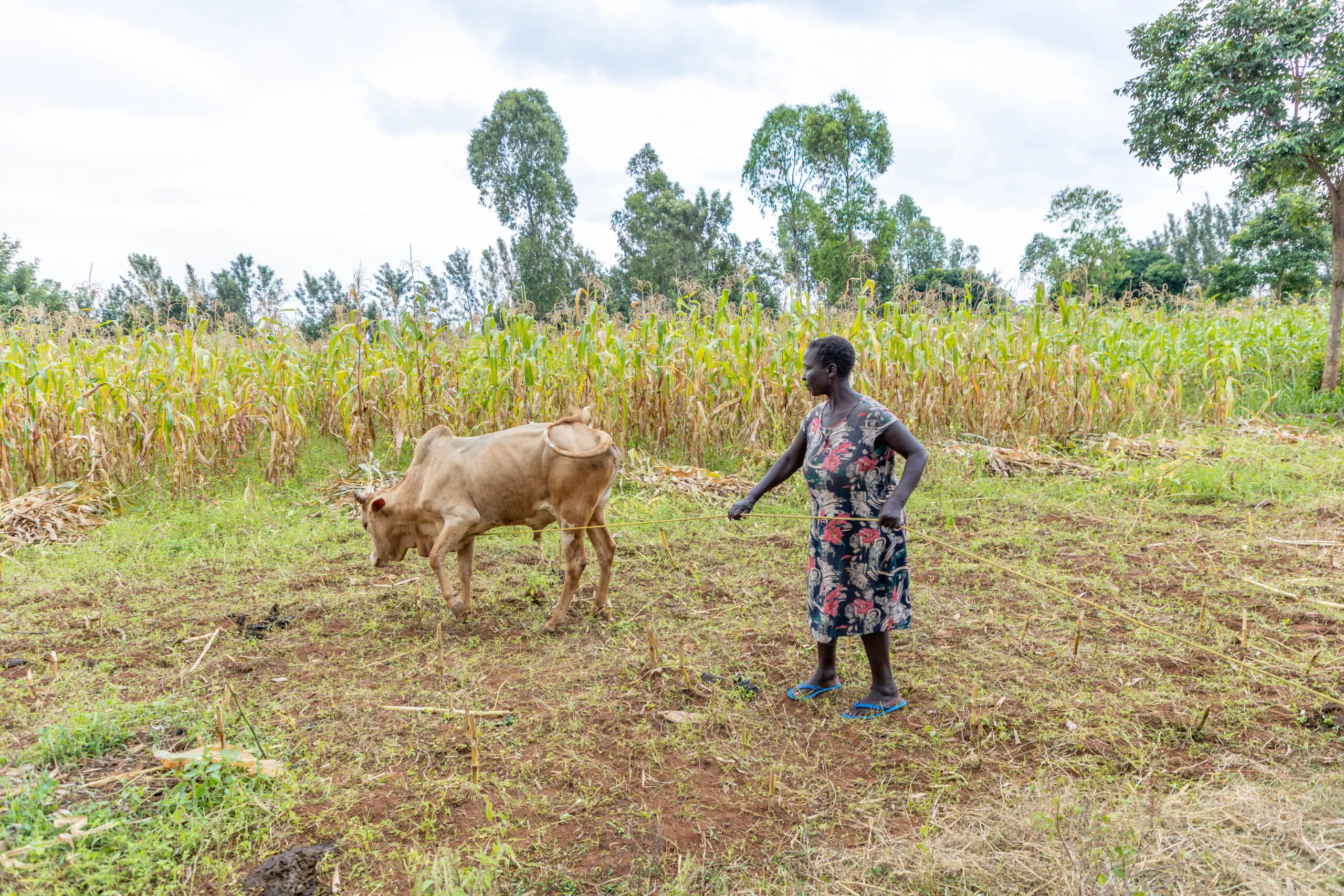
Farmer Field and Business School (FFBS)
CARE Kenya’s Farmer Field and Business School (FFBS) program is CARE’s flagship approach to agricultural development. It integrates hands-on farming techniques with business and financial skills, tailored to the needs of small-scale farmers. It equips smallholder farmers—especially women— with climate smart, market focused, and nutrition aware skills to improve productivity, strengthen agribusiness, and build resilience. It is a proven model that combines agricultural training with business and financial literacy, enabling communities to grow more food, earn more income, and secure better nutrition. The model is participatory and inclusive, ensuring women farmers take a central role in decision making and leadership Key Components in Kenya
Climate Smart Agriculture: Training farmers in sustainable practices that increase yields while protecting the environment.
Market Linkages: Helping farmers connect to buyers, cooperatives, and agribusiness value chains
Financial Literacy: Teaching record keeping, savings, and investment strategies to strengthen household resilience.
Nutrition Awareness: Promoting diversified diets and food systems that improve community health.
Digital Tools: Piloting mobile platforms for extension services, market information, and group coordination.
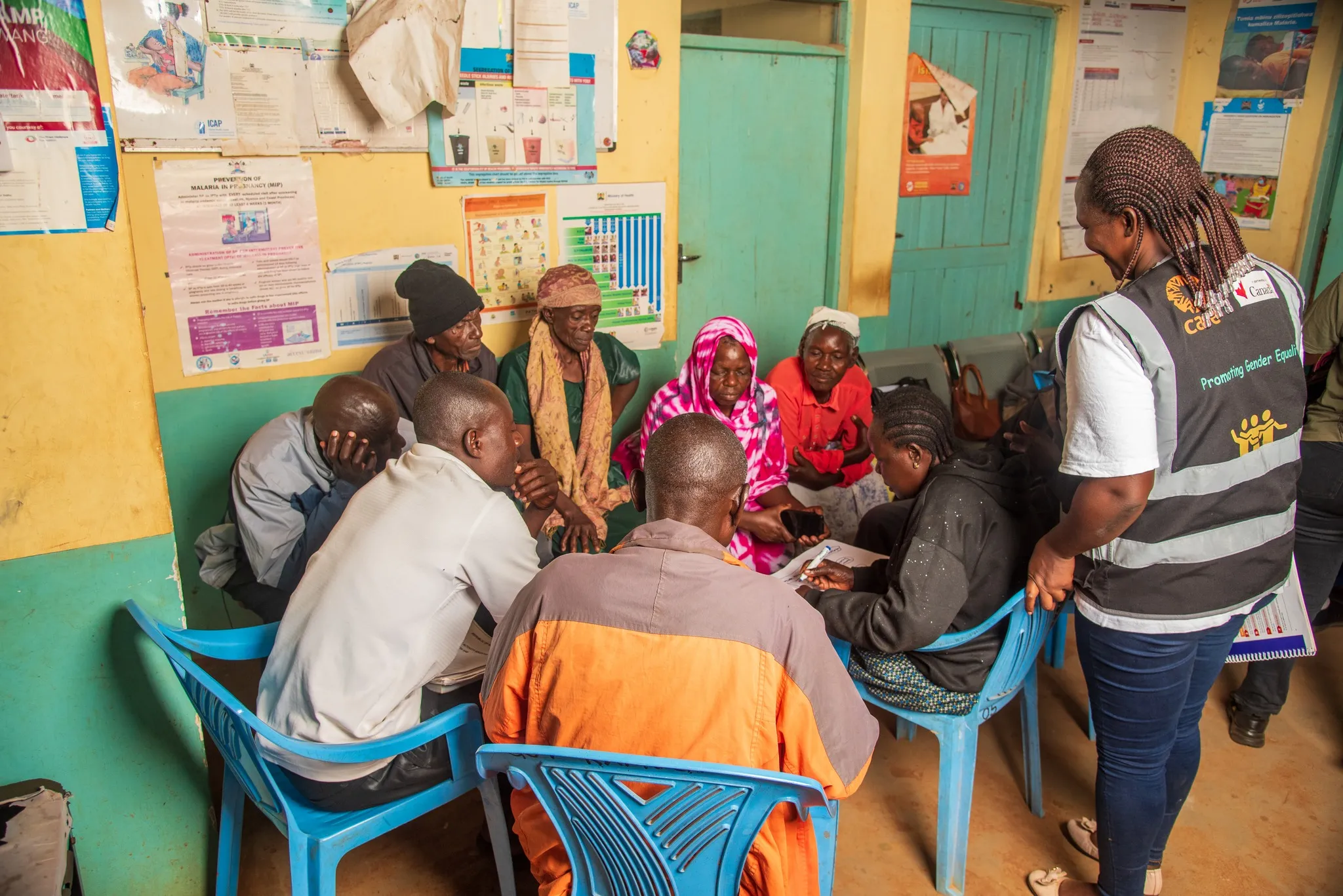
Community Score Card (CSC)
Developed by CARE in 2002, CSC is an internationally recognized participatory governance approach for enhancing the implementation of quality services emphasizing good governance and advocacy to nfluence policy and budget changes. CSC serves as an easy-to-use, adaptable two-way tool for assessing, planning, monitoring, and evaluating services, uniting service users and providers to collectively address delivery issues. Our goal is to expand CSC to enhance citizens’ voices in demanding higher-quality and more equitable service delivery while influencing service provision quality, efficiency, and accountability. CSC is also deployed throughout all pillars.
Impact in Kenya
Women’s Empowerment
FFBS strengthens women’s role in agriculture, entrepreneurship, and household decision making.
Resilient Livelihoods
Farmers are better equipped to withstand climate shocks such as droughts and floods.
Economic Growth
Communities generate higher incomes through improved productivity and collective marketing.
Scalability
The FFBS model is designed for scale through partnerships with county governments, private sector actors, and farmer organizations. By embedding skills within community groups, leveraging digital tools, and aligning with national agricultural priorities, the approach enables replication across counties while sustaining impact beyond project cycles.
SuPER Principles
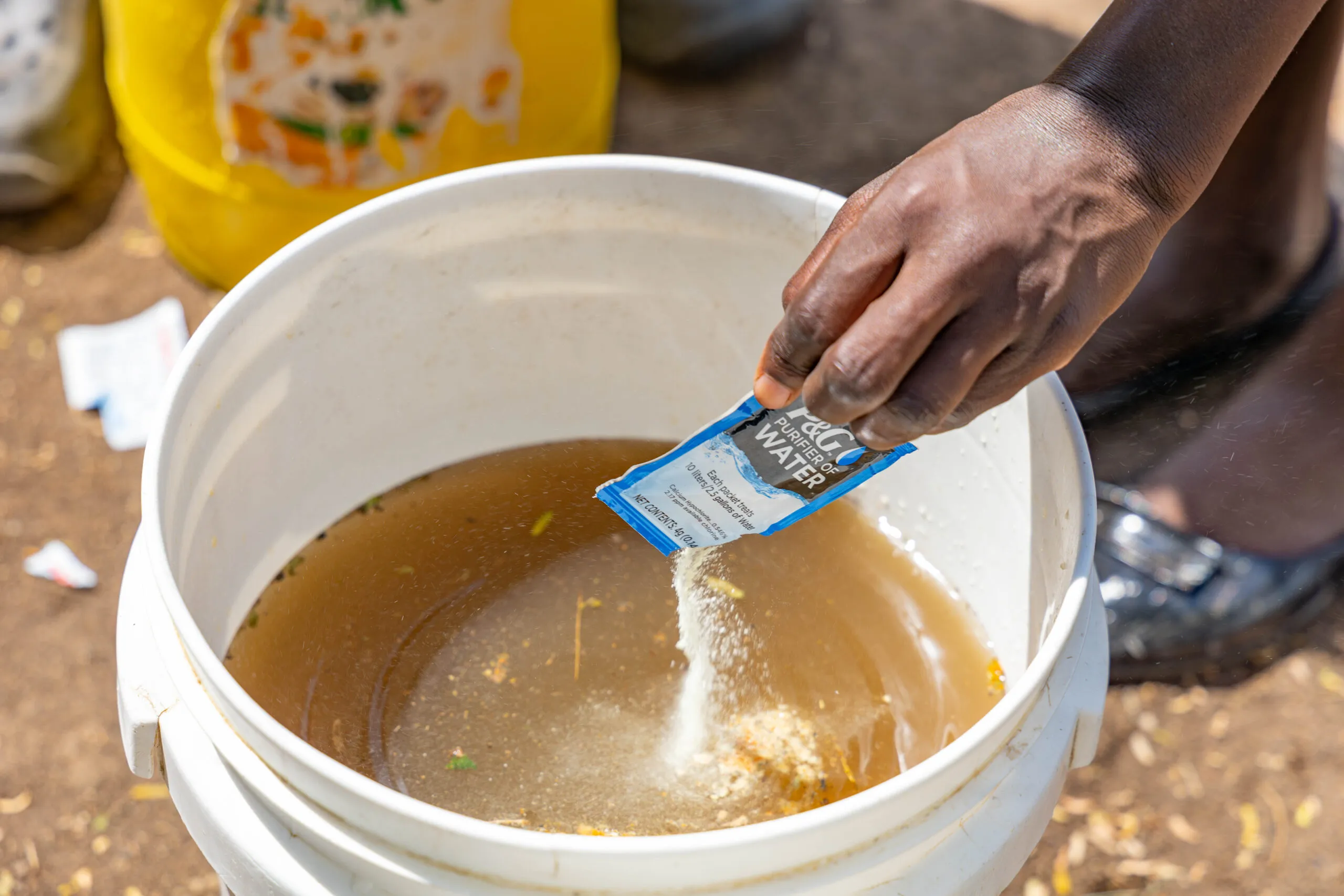
Sustainable
Grounded in healthy ecosystems, stable institutions, and sustainable financing.
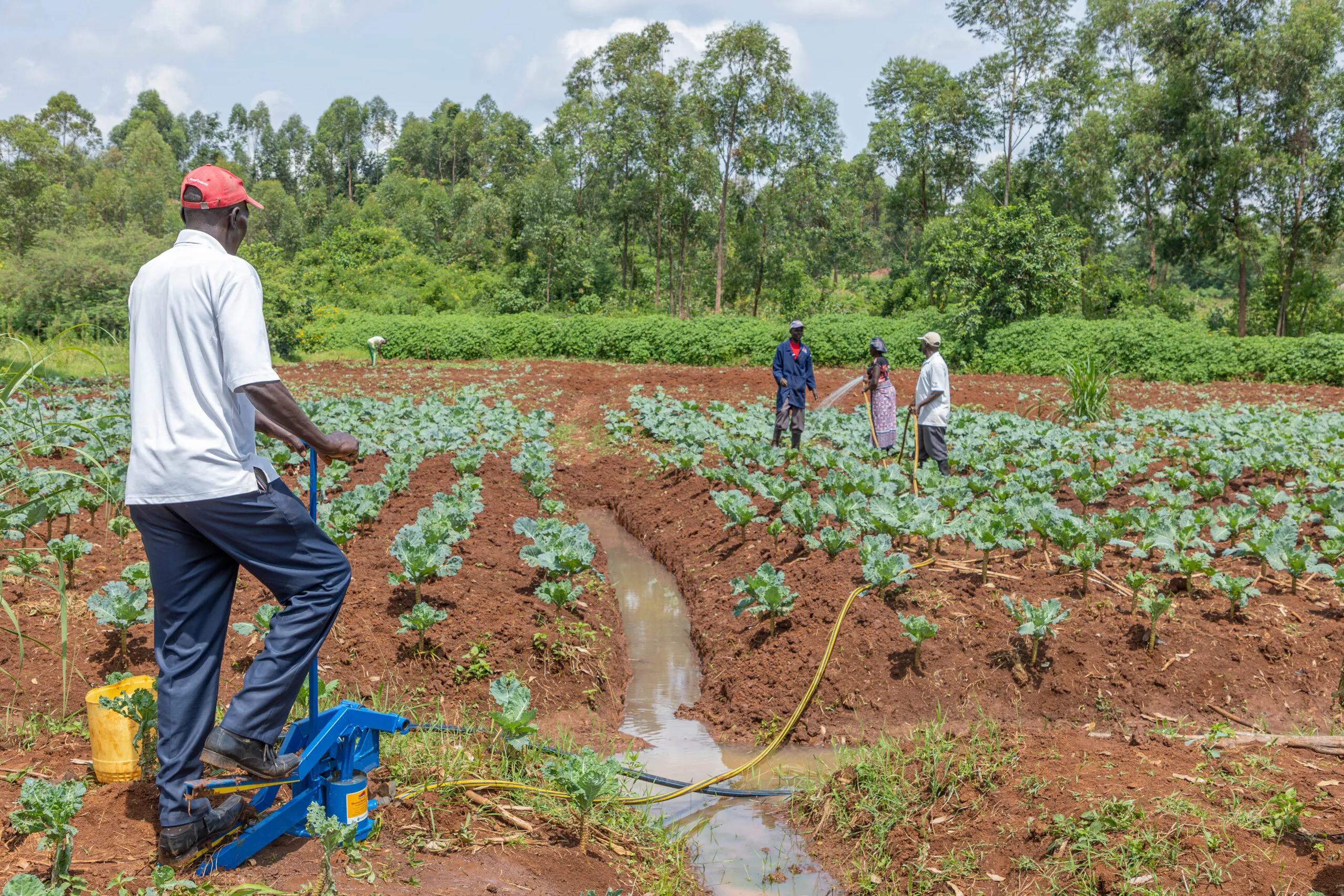
Productive
Increasing smallholder production, nutrition, and climate-resilient practices
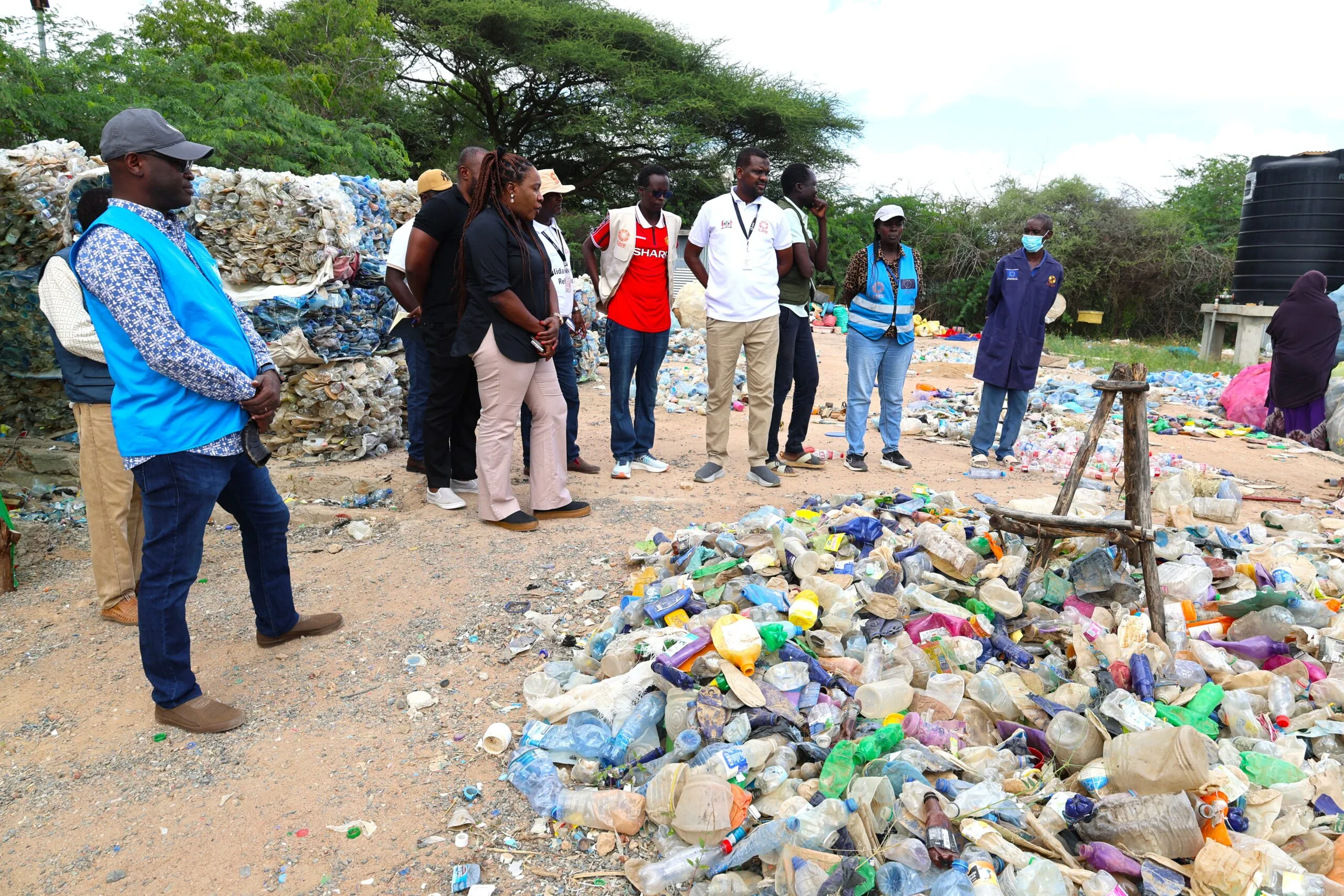
Equitable
Enabling rights, opportunities, and resources for vulnerable people — particularly women and girls.
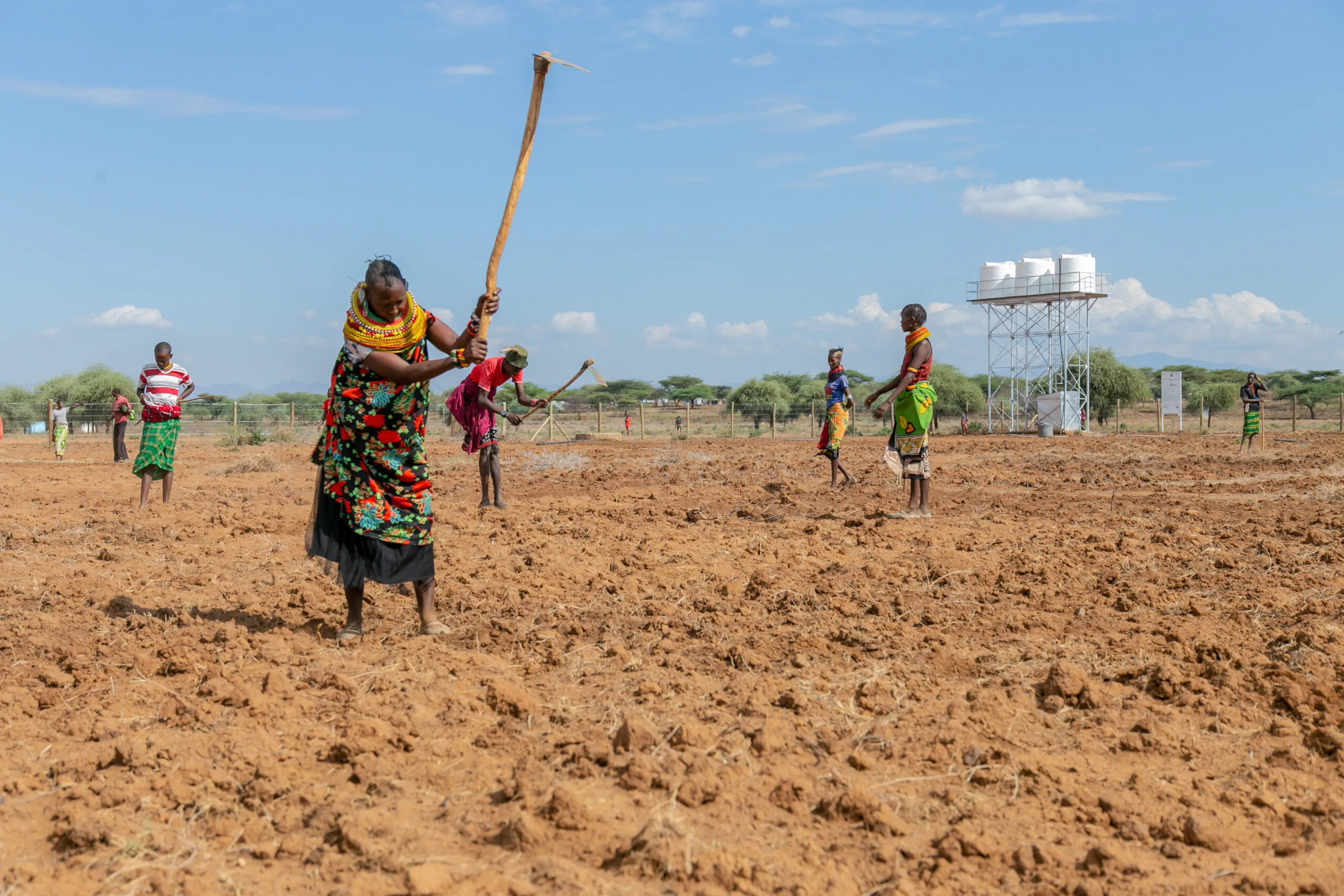
Resilient
Supporting individuals, families, and systems to withstand shocks and stresses, including climate impacts.