
Farmer Fields Business School(FFBS)
About Farmer Field and Business School (FFBS)
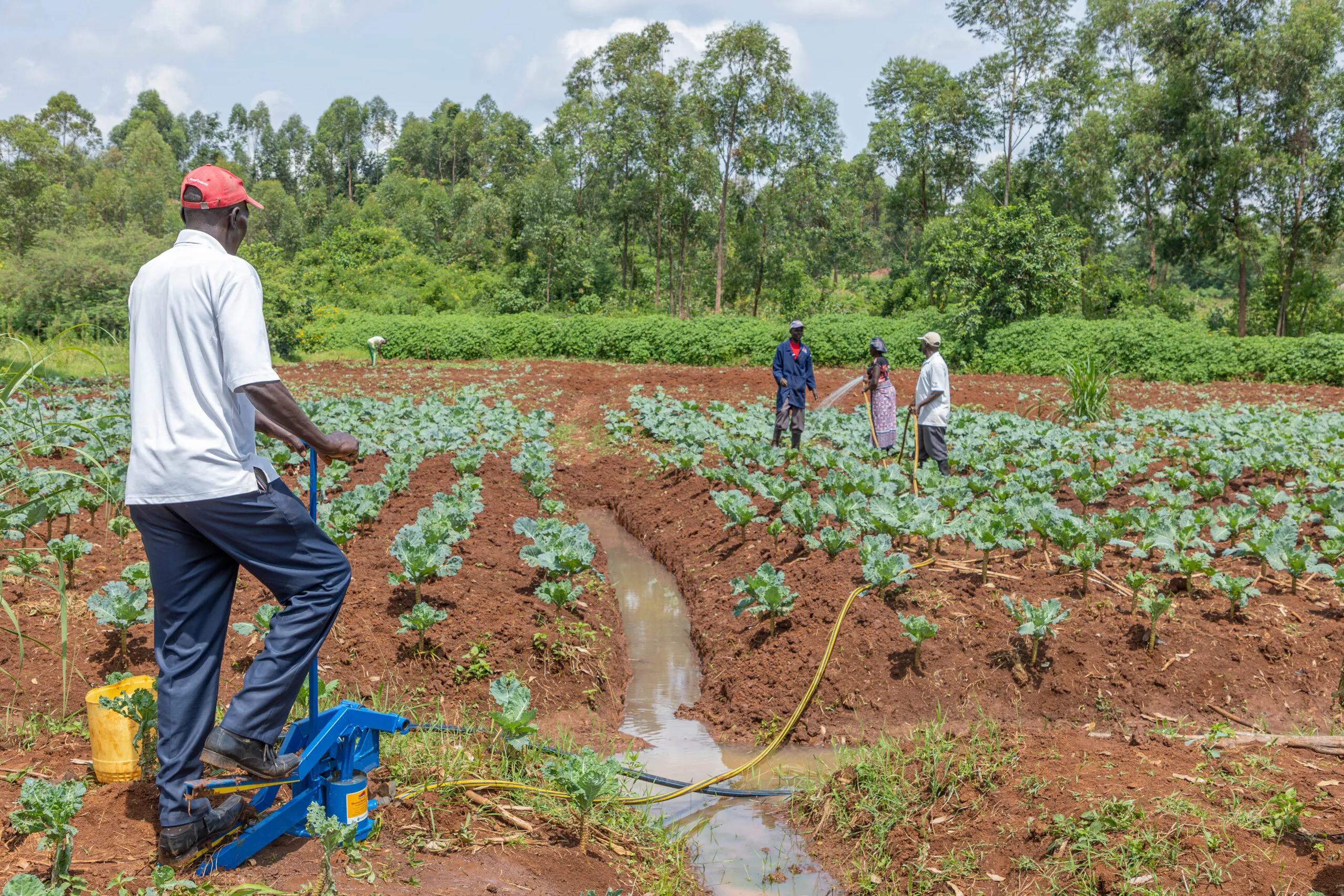
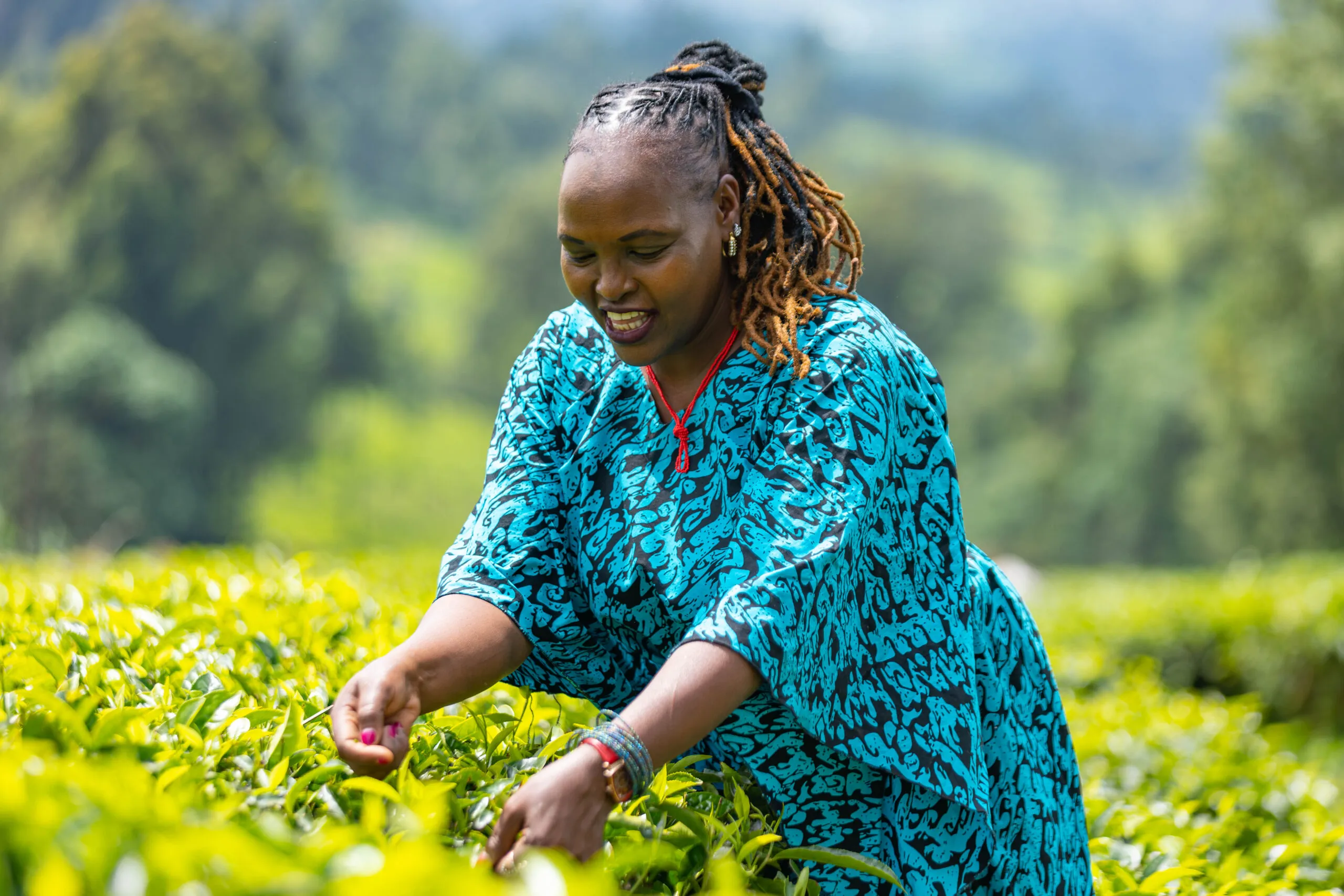
CARE Kenya’s Farmer Field and Business School (FFBS) program is CARE’s flagship approach to agricultural development. It integrates hands-on farming techniques with business and financial skills, tailored to the needs of small-scale farmers. It equips smallholder farmers—especially women— with climate smart, market focused, and nutrition aware skills to improve productivity, strengthen agribusiness, and build resilience. It is a proven model that combines agricultural training with business and financial literacy, enabling communities to grow more food, earn more income, and secure better nutrition.
The model is participatory and inclusive, ensuring women farmers take a central role in decision making and leadership Key Components in Kenya.
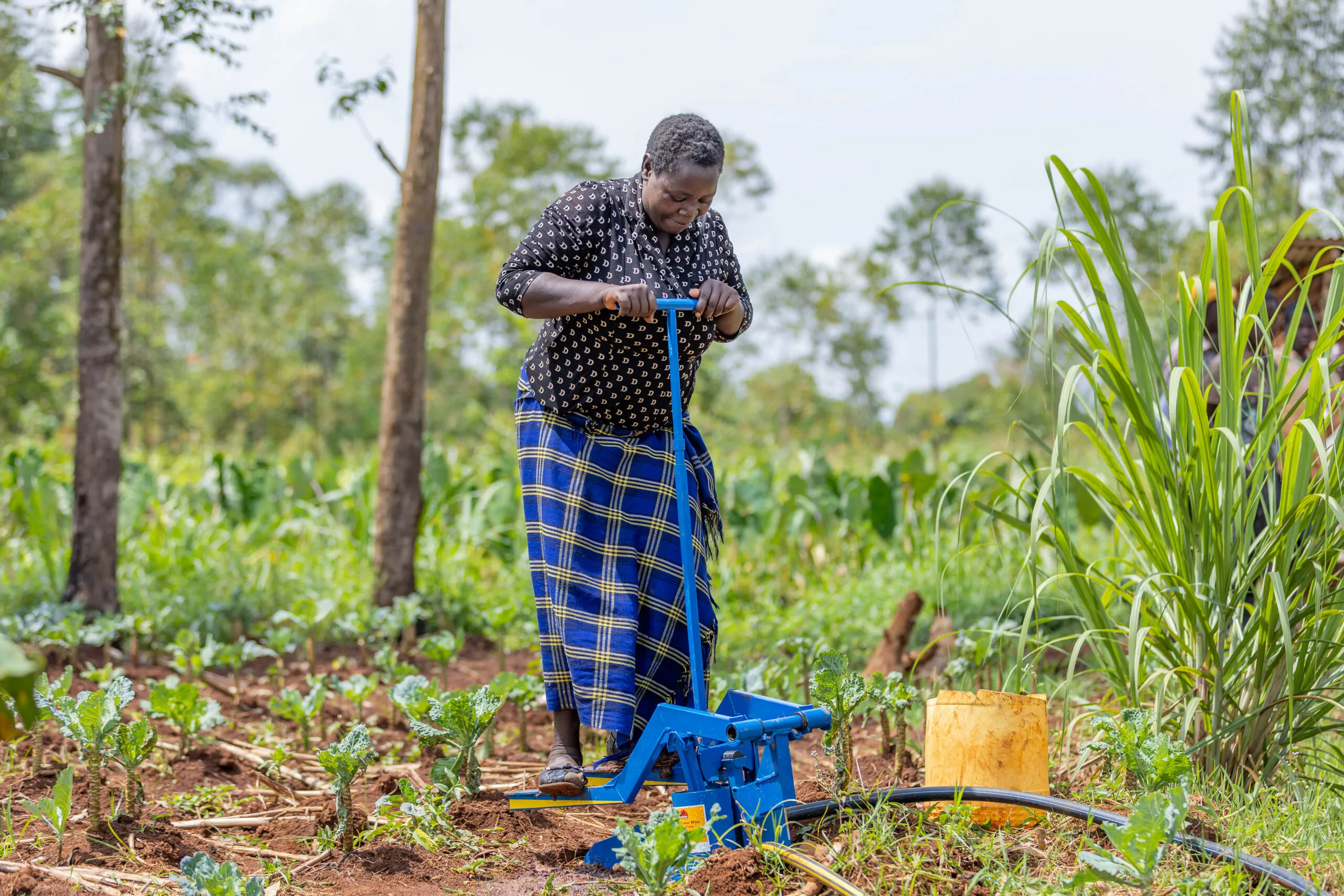
Climate Smart Agriculture
Training farmers in sustainable practices that increase yields while protecting the environment.
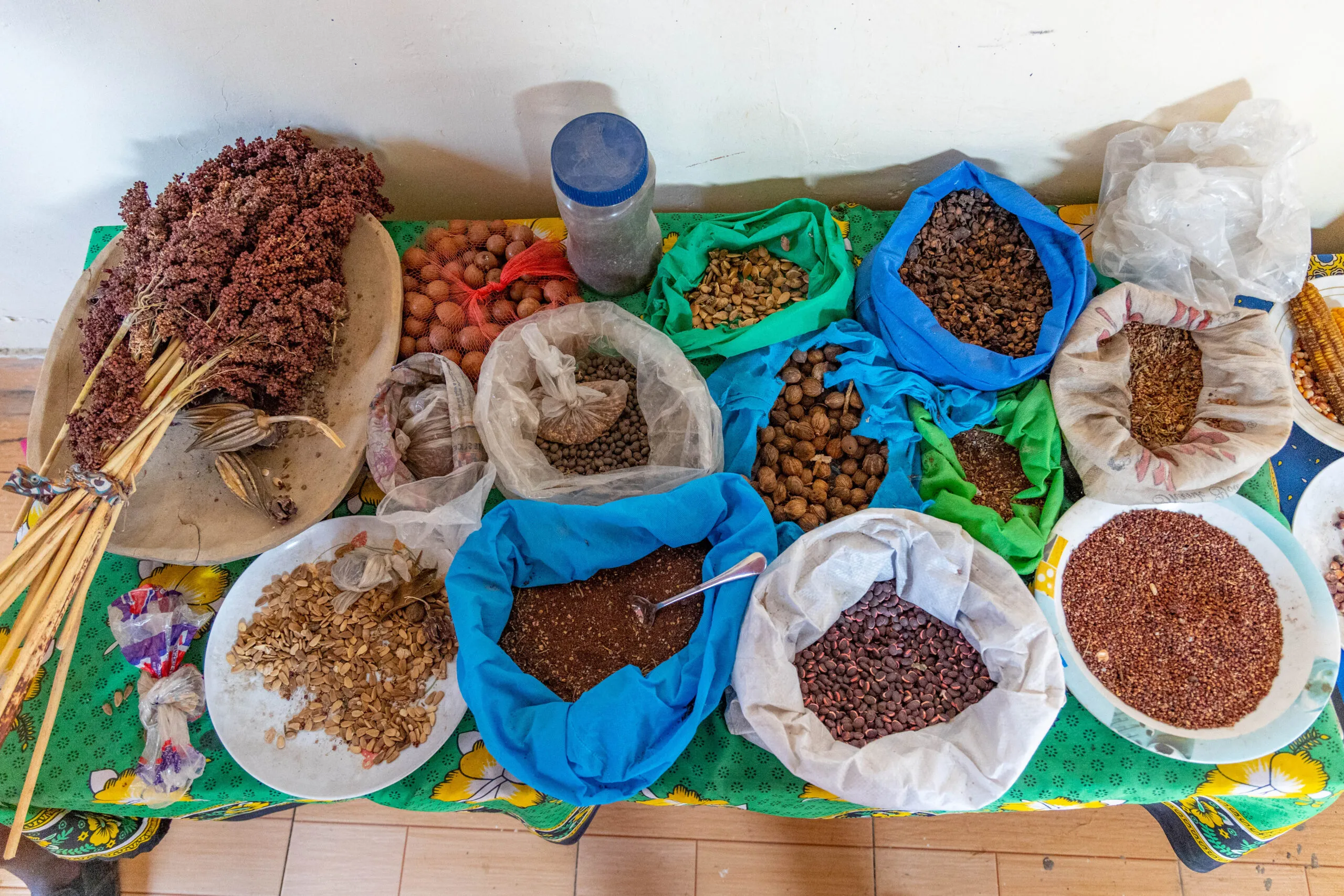
Market Linkages
Helping farmers connect to buyers, cooperatives, and agribusiness value chains
Digital Tools
Piloting mobile platforms for extension services, market information, and group coordination.

Digital Tools
Piloting mobile platforms for extension services, market information, and group coordination.
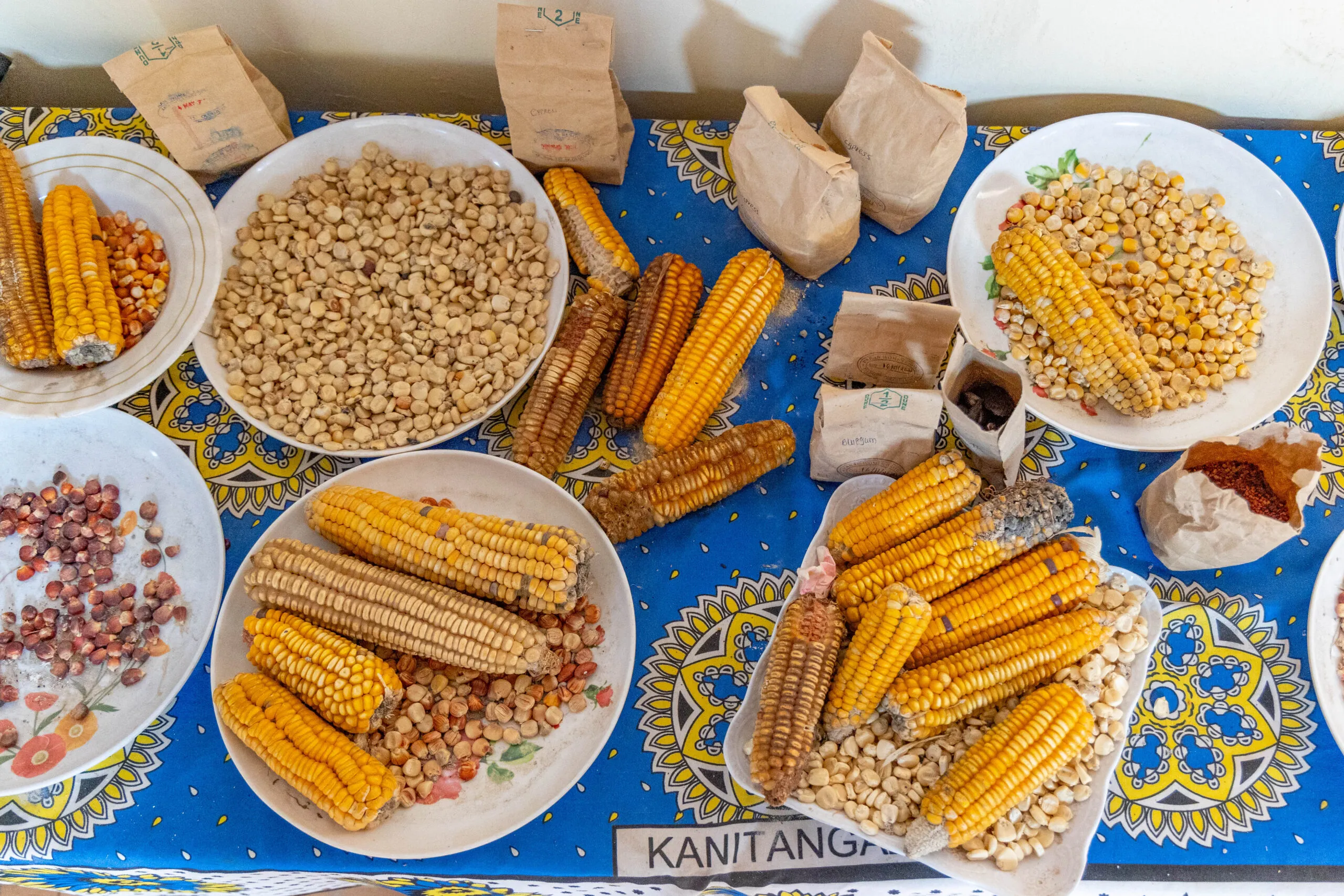
Nutrition Awareness
Promoting diversified diets and food systems that improve community health.
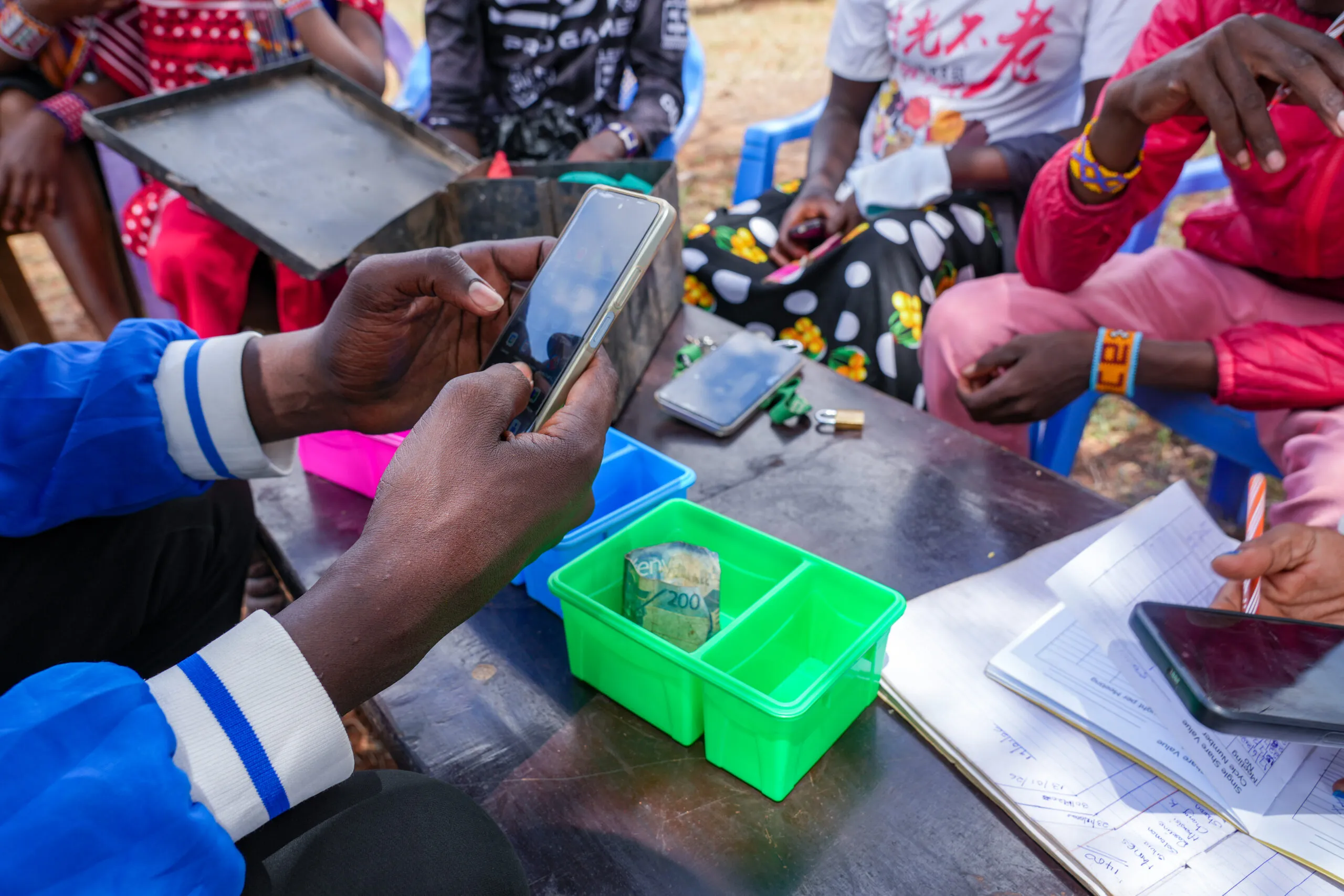
Financial Literacy
Teaching record keeping, savings, and investment strategies to strengthen household resilience.
Women’s Empowerment
FFBS strengthens women’s role in agriculture, entrepreneurship, and household decision making.
Resilient Livelihoods
Farmers are better equipped to withstand climate shocks such as droughts and floods.
Economic Growth
Communities generate higher incomes through improved productivity and collective marketing.
Scalability
The FFBS model is designed for scale through partnerships with county governments, private sector actors, and farmer organizations. By embedding skills within community groups, leveraging digital tools, and aligning with national agricultural priorities, the approach enables replication across counties while sustaining impact beyond project cycles.