Women Empowerment for Resilient Rural Areas (WE4R)

Overview

The Women Empowerment for Resilient Rural Areas (WE4R) project is a multi-country initiative implemented by CARE International, funded by GIZ and country teams in Kenya, Madagascar, and Mali. The project is funded under Germany’s feminist development cooperation agenda and seeks to strengthen women’s rights, resources, and representation (3Rs) in land governance and productive resource systems.

In Kenya, WE4R is implemented by CARE Kenya from May 2025 to July 2026, focusing on addressing structural and social barriers that continue to limit women’s secure access to land despite progressive constitutional and legal protections. The project works from grassroots to global levels, connecting community realities to national, regional, and international advocacy spaces.
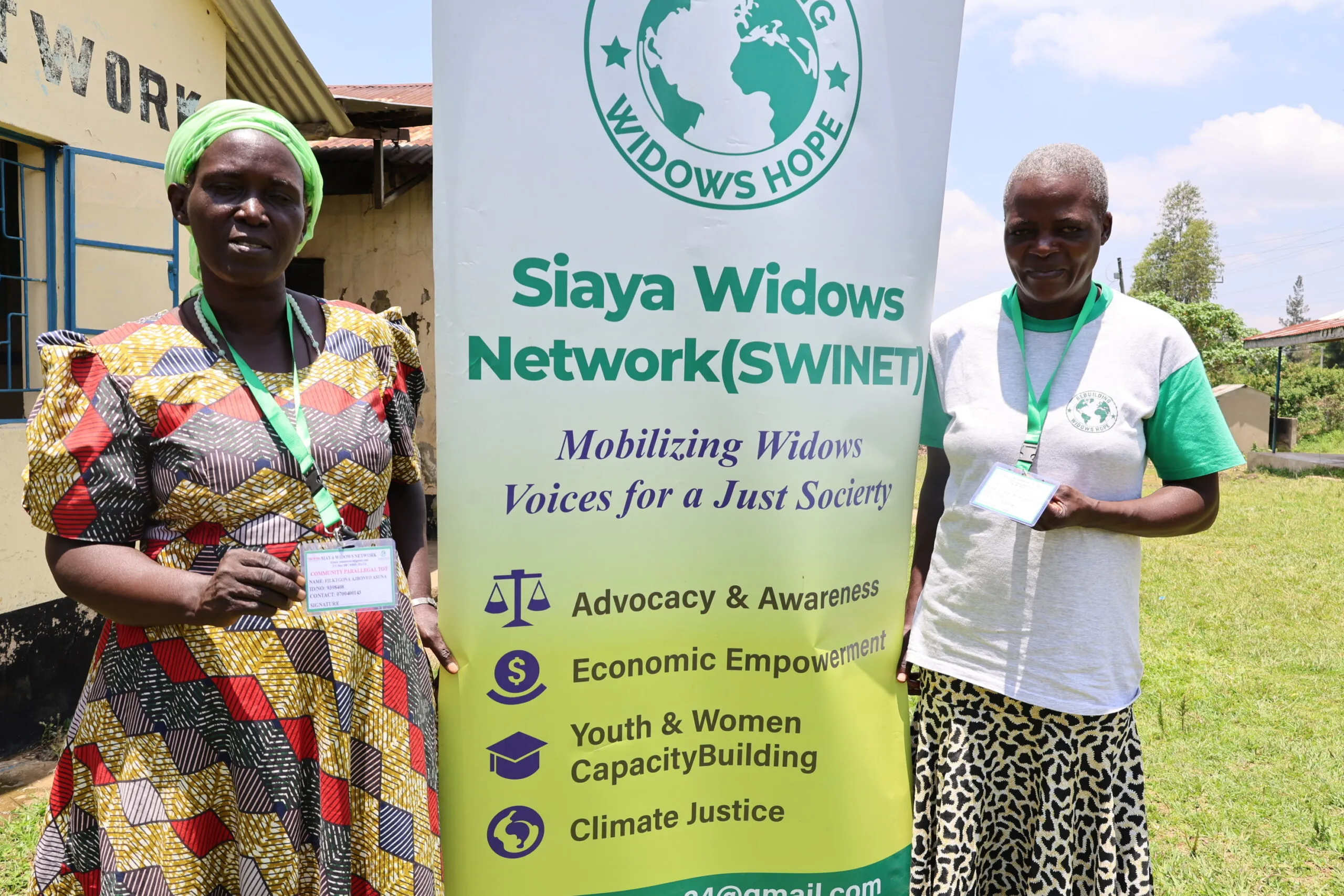
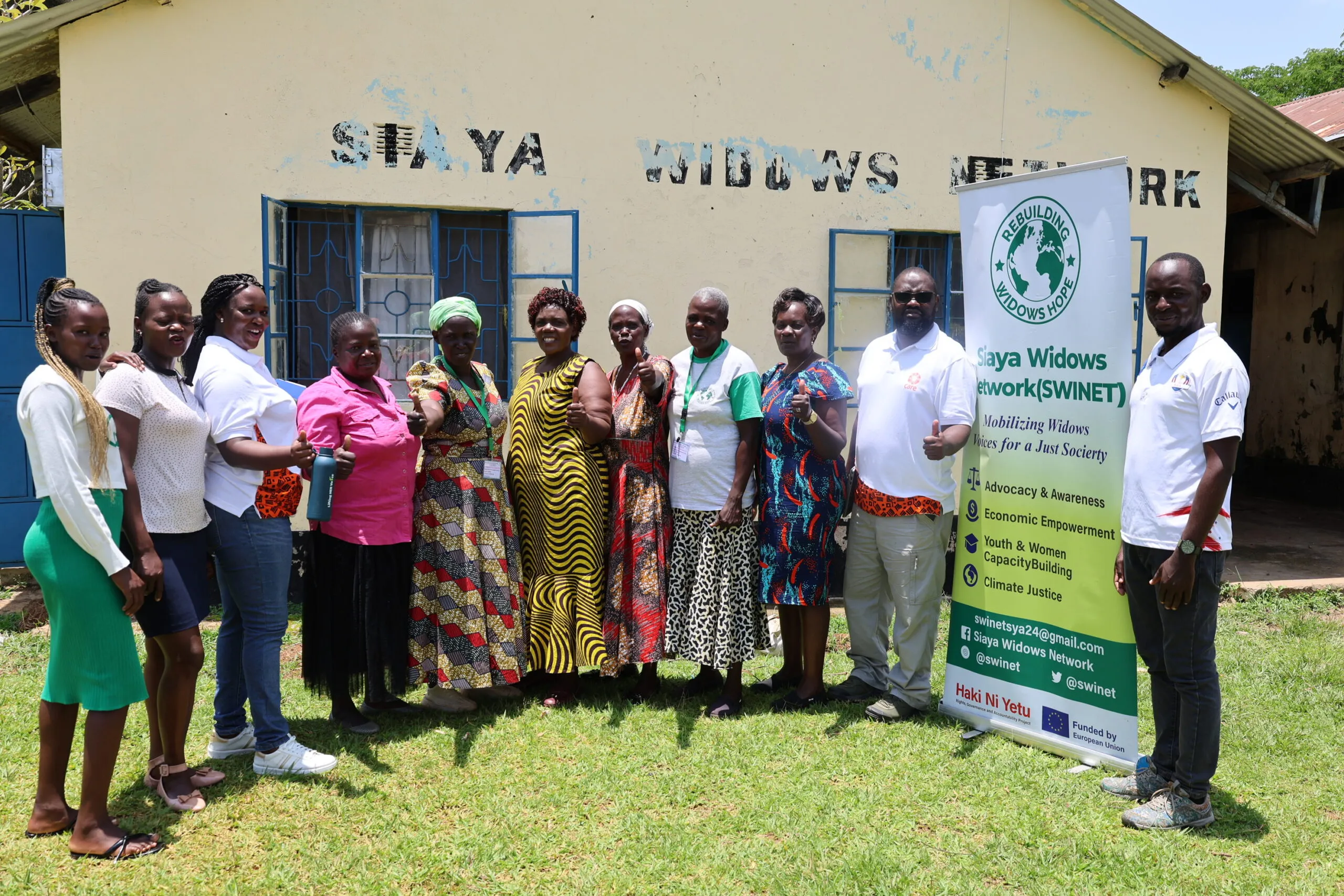
Goal:

To generate and disseminate evidence of gender-transformative practices in land tenure and access to productive resources while strengthening women’s empowerment and male engagement to influence equitable land governance systems from local to global levels.

Core Objectives

WE4R focuses on:

  • Strengthening evidence generation on women’s land rights and access to productive resources.
  • Building the capacity of women’s rights organizations, community change agents, and institutions for evidence-based advocacy.
  • Promoting mentorship, peer learning, and south-to-south exchange.
  • Supporting women’s participation in decision-making spaces and land governance structures.
  • Engaging male allies and traditional leaders to transform harmful social norms.
  • Amplifying grassroots voices in policy and advocacy platforms, including the Rio Conventions and land policy processes.

Key Approaches:

WE4R applies a gender-transformative and feminist approach, combining:

  • Evidence-based advocacy through factsheets, policy briefs, and lived experience documentation
  • Structured mentorship for Gender Change Agents (GCAs) and local partners
  • Alternative Justice Systems (AJS) and mediation to improve access to justice
  • Community paralegalism and legal literacy
  • Male allyship to challenge patriarchal norms
  • Multi-Stakeholder Platforms (MSPs) for linking grassroots issues to policy processes
  • Community of Practice (CoP) for learning and adaptive management.

Geographical Reach

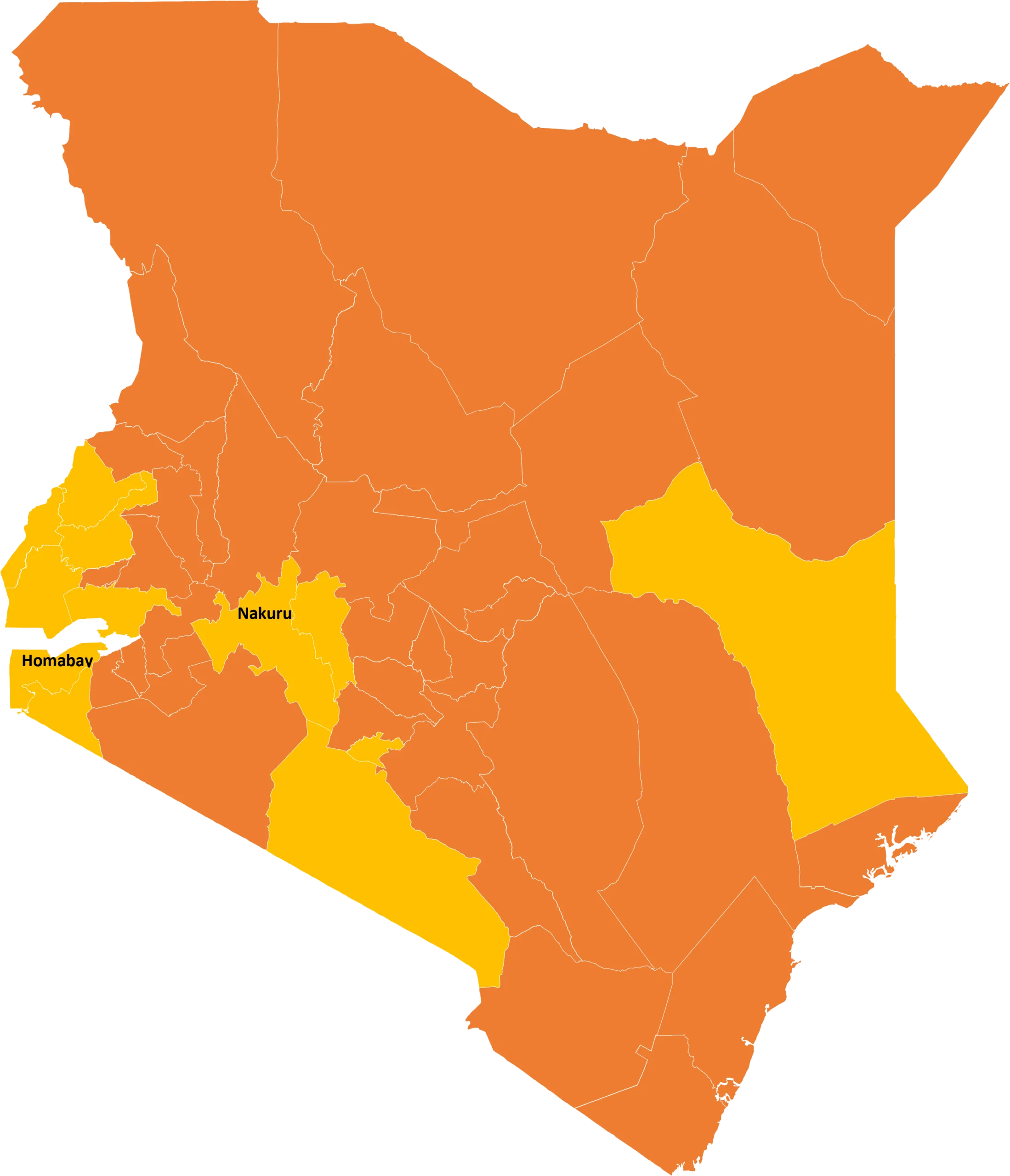
The project is implemented in Kenya, Madagascar, and Mali, with Kenya covering nine counties:

  • Kakamega County
  • Bungoma County
  • Siaya County
  • Vihiga County
  • Kisumu County
  • Busia County
  • Homabay County
  • Migori County
  • West Pokot County

Progress to Date (Kenya: Sept 2025 – Feb 2026)

WE4R Kenya has made important strides in advancing women’s land rights:

(56% Women)

Stakeholders Mapped and Engaged

(81% Women)

Gender Change Agents Mentored

33 Stakeholders Trained on Evidence-Based Advocacy.

33 Stakeholders Trained on Evidence-Based Advocacy.

Participated in the national review of Kenya’s National Land Policy

Participated in the national review of Kenya’s National Land Policy

Supported advocacy contributing to the Siaya Widows Protection Bill (2025).

Supported advocacy contributing to the Siaya Widows Protection Bill (2025).

Strengthened engagement with county governments, traditional leaders, & land governance

Strengthened engagement with county governments, traditional leaders, & land governance

Strategic Partners:

WE4R works with a broad ecosystem of fourteen (14) Women’s Rights Organizations (WROs), county governments, community leaders, and national land governance actors across the nine counties in western Kenya.

WE4R demonstrates that strengthening women’s land rights is not only a justice issue—it is central to building food security, climate resilience, and inclusive rural development.

By connecting community realities to policy spaces, the project is contributing to a future where rural women are not only land users, but land decision-makers and rights holders.