Camps to Green Cities (C2C)

Strategic Pillar: Resilience

Effective response and resilient recovery that safeguard dignity and prioritize inclusion. CARE Kenya delivers life-saving assistance during crises, expands water access and sanitation infrastructure, and links relief to long-term recovery. This places women's leadership at the heart of humanitarian action.

Project Overview:

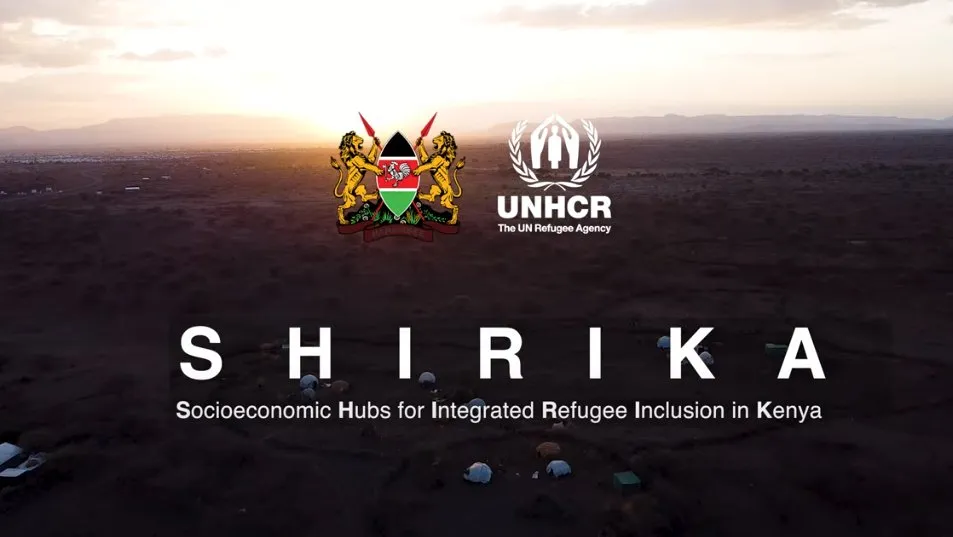
The From Camps to Green Cities program seeks to support and operationalize the Shirika Plan and is guided by a transformational vision of refugee-hosting landscapes as permanent, vibrant urban environments. Cities that not only meet basic needs, but also foster dignity, creativity, entrepreneurship, innovation, sustainability, and social cohesion. Cities that offer green spaces, culture, infrastructure, mobility, education, health care, and opportunities for meaningful work.

CARE’s core contribution to the C2C program will focus on refugee enterprise development and self-reliance. Through a portfolio of targeted pilot initiatives, CARE will test and refine new models for refugee-led entrepreneurship, access to finance, and skills development — all with a view to unlocking commercial-type financing to scale the most promising solutions.
Programme Goal

Transform Dadaab from an aid-dependent refugee settlement into a more inclusive, resilient, and economically active urban system — advancing Kenya’s Shirika Plan by demonstrating how refugee settlements can transition from short-term humanitarian relief to durable, market-enabled, and climate-smart urban development.

1120

Direct beneficiaries (68% women)

44k

Refugees benefiting indirectly

65/35

Refugee / host community split


Context and Rationale

Dadaab, one of the world's largest refugee complexes, has been in existence for over three decades. Despite hosting hundreds of thousands of refugees, it remains largely structured around humanitarian aid delivery rather than economic participation, urban development, or environmental sustainability. Kenya's Shirika Plan — a landmark policy shift — envisions the integration of refugee settlements into the national development framework, with refugees able to access land, services, and economic opportunities. C2C operationalises this vision in Dadaab by investing in climate-smart infrastructure, scaling refugee-led circular economy enterprises, and piloting new green value chains — transforming the settlement's waste and environmental challenges into economic opportunities.

Theory of Change

IF refugee and host communities are supported to develop and scale circular economy enterprises — including waste recycling, water services, and green value chains — AND climate-smart infrastructure is upgraded, THEN Dadaab's settlement economy will diversify, women and youth will lead durable livelihoods, environmental sustainability will improve, and the settlement will advance toward becoming an inclusive, climate-smart urban system aligned with Kenya's Shirika Plan.

Objectives

Plastic recycling value chains

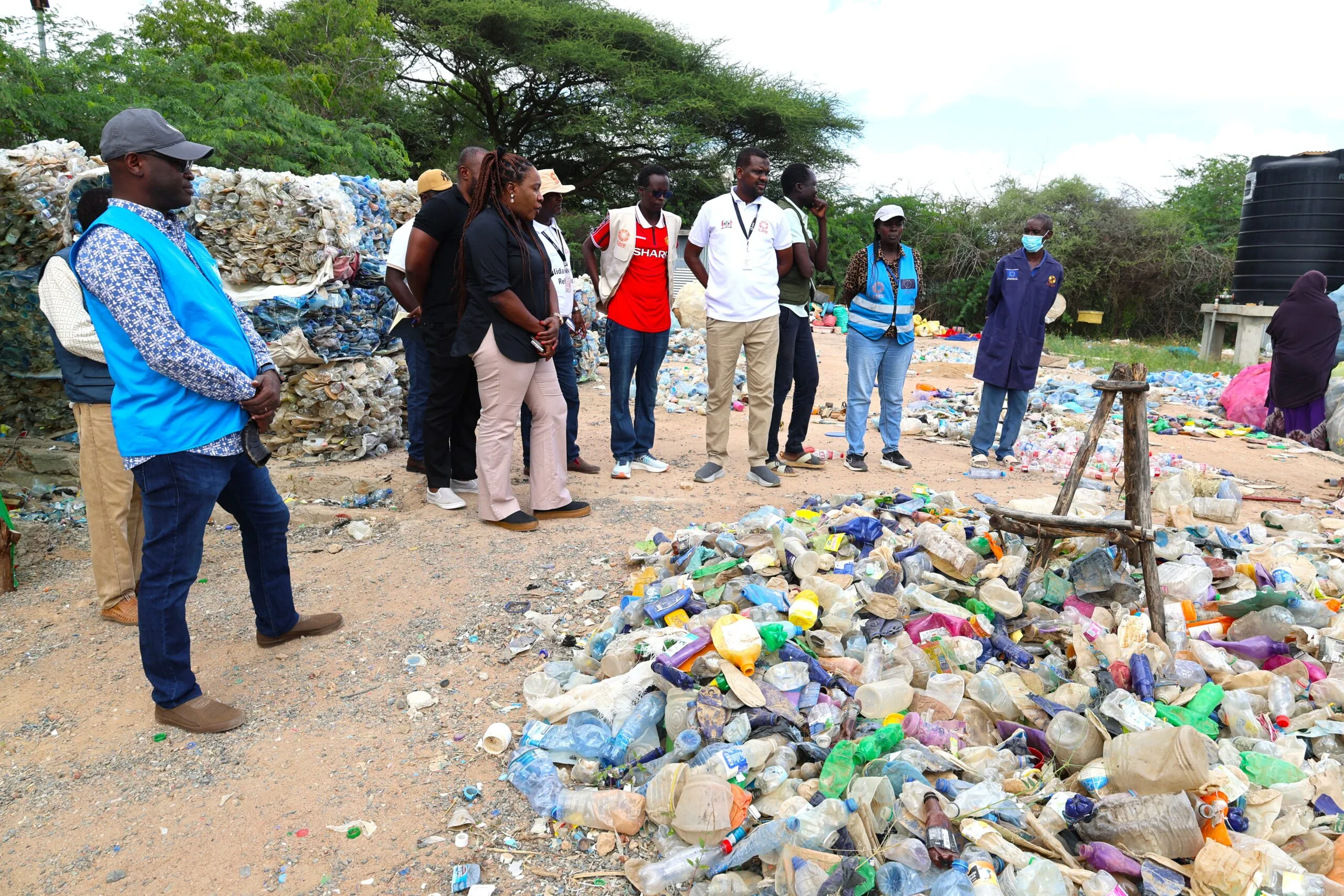
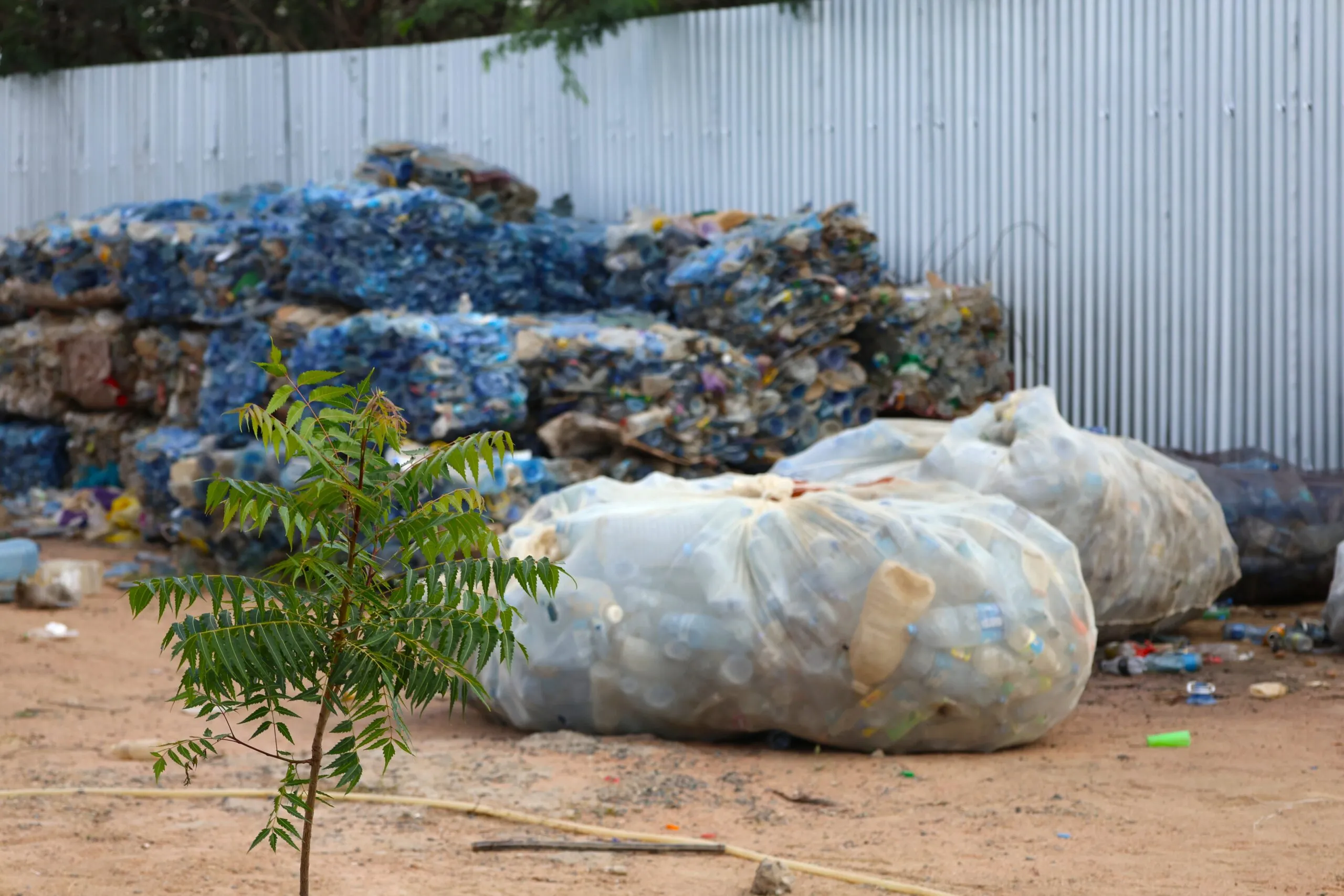
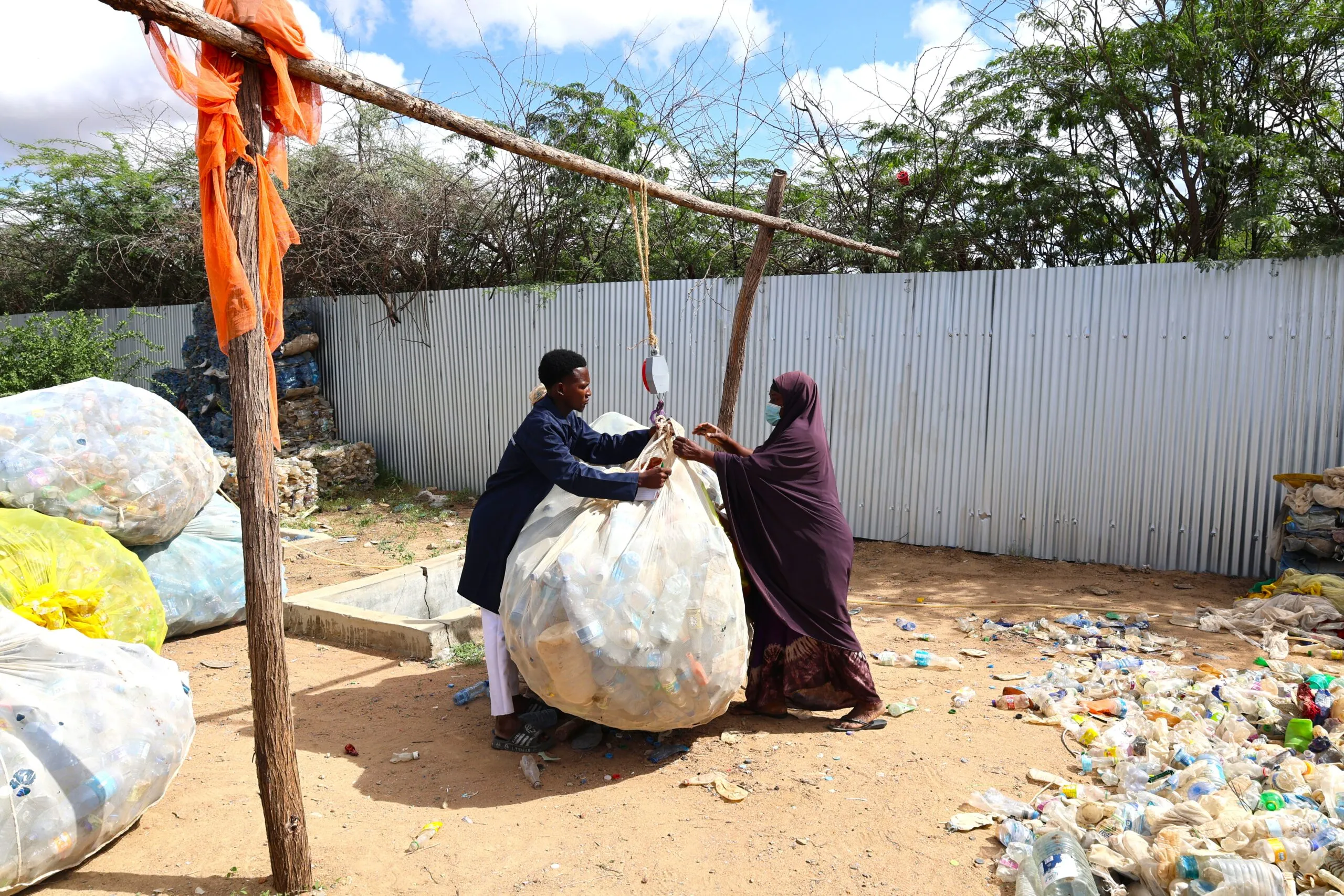
To establish a mechanism for the sustainable implementation of an integrated solid waste management in addressing plastic waste pollution while empowering the community economically and socially

Water entrepreneurship

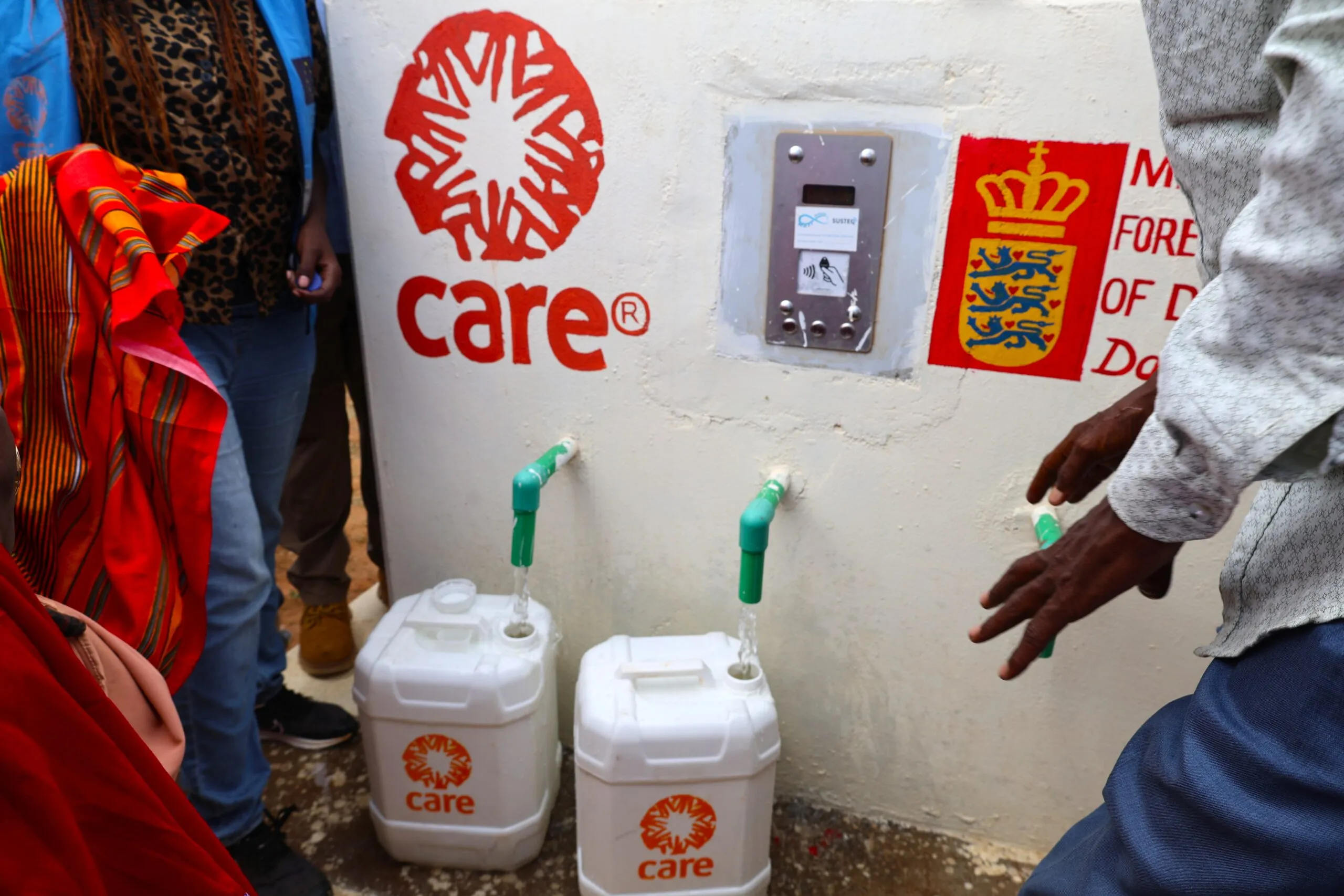
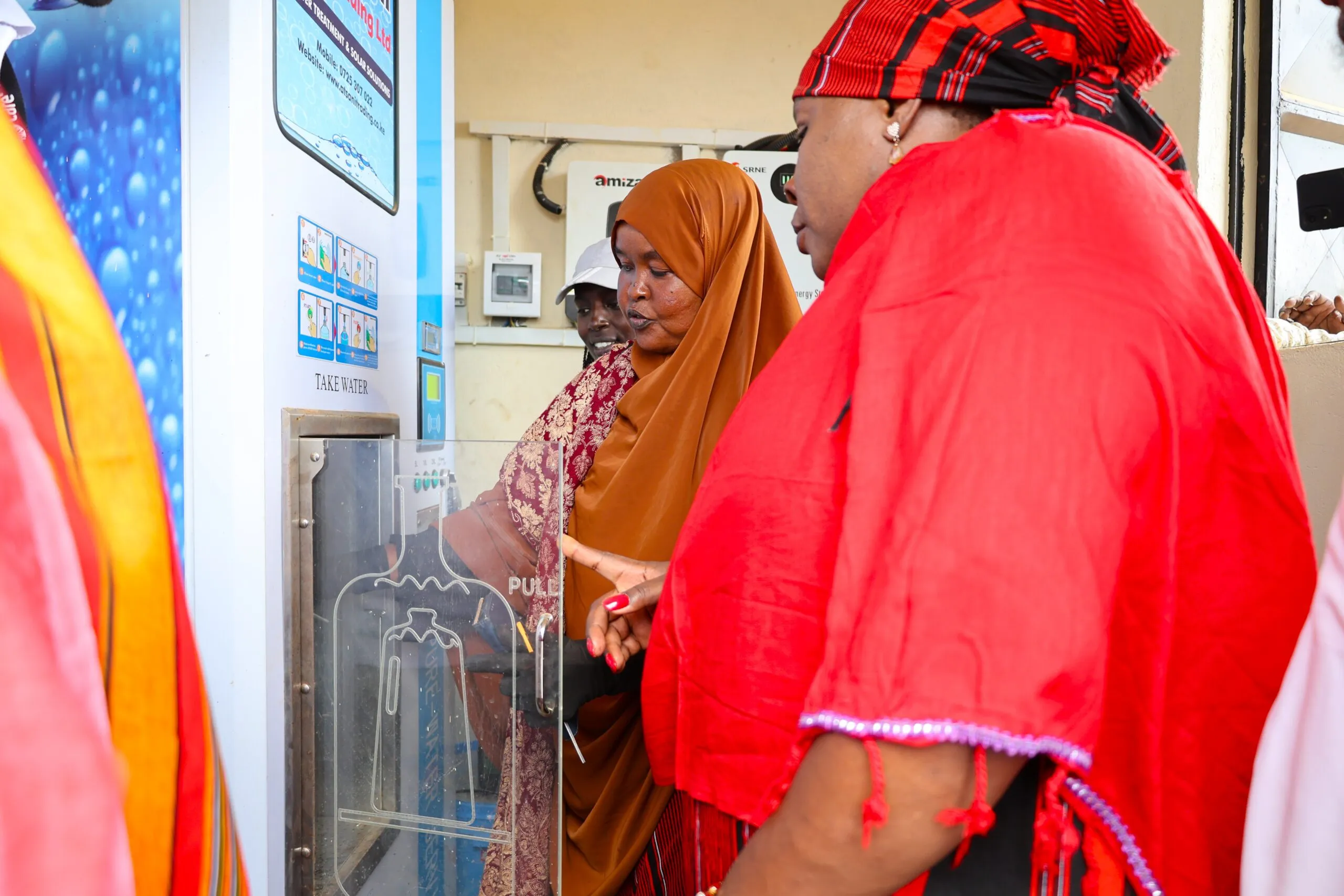
To explore and assess the opportunities for refugee-led business and entrepreneurship formed around provision of clean, accessible drinking water through market-based solutions; water kiosks and water ATMs in Dadaab (IFO2 camp).

Bonemeal

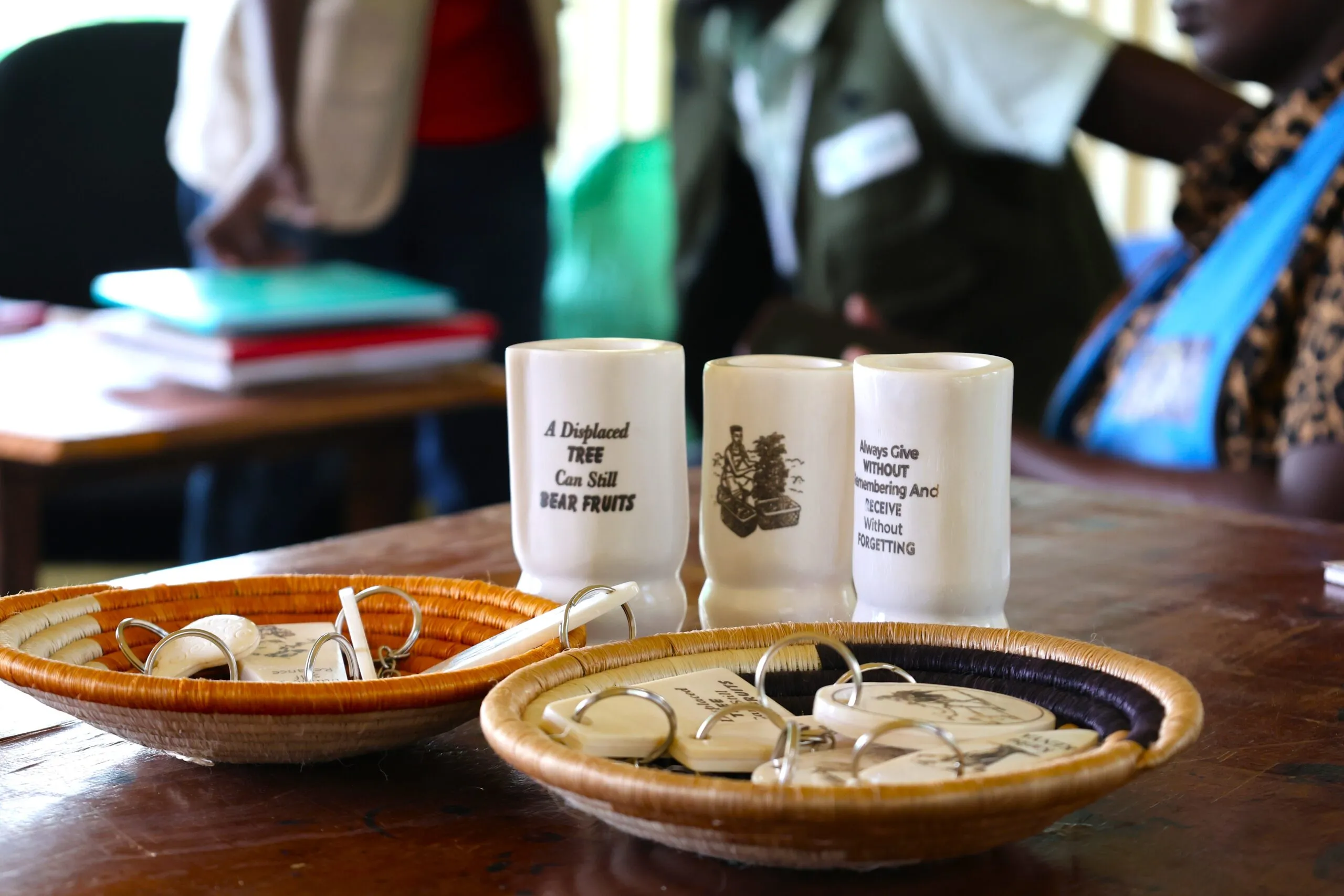
The business case for Refugee-led bonemeal production in Dadaab is assessed across technical and market components

Shirika Plan Alignment

C2C is one of the most concrete demonstrations of Kenya's Shirika Plan in action. By investing in climate-smart enterprises, upgrading infrastructure, and building refugee economic agency, C2C shows that settlement transformation is possible — and that refugees, given the right support, can be drivers of local economic growth rather than recipients of aid. The programme is generating replicable models that can be applied across Kenya's refugee settlements.

Key Intervention Areas

Circular Economy Enterprises

Strengthening and scaling plastic waste recycling enterprises led by refugees and host community members. Solid waste management systems improved, reducing environmental health risks and generating livelihoods. Women- and youth-led water enterprises supported through enterprise development and market linkages.

New Green Value Chains

Bonemeal production piloted as an investment-readiness pipeline — converting waste into agricultural inputs. Green enterprise incubation and mentorship provided to new and emerging entrepreneurs

Climate-Smart Infrastructure

Infrastructure upgrades to support circular economy enterprises and reduce environmental footprint. Climate-smart approaches embedded in settlement infrastructure and enterprise development.

Policy & Systems Alignment

Programme activities aligned with and advancing Kenya's Shirika Plan for refugee integration. Evidence generated on green economy models informing national and county policy frameworks. Coordination with Garissa County Government on local economic development and spatial planning.

Key Achievements & Impact

1,120 people reached directly — 68% women; 65% refugees; 35% host community.

44,000 refugees indirectly benefiting through improved access to climate-smart goods and services.

Refugee leadership in green enterprise development and local market systems strengthened.

Scalable, climate-smart solutions validated and aligned with national policy frameworks.

Trained 43 community members and GALDO staff on integrated solid waste management, equipping mostly youth participants with practical skills in waste collection, segregation, and recycling.

Community sensitization campaigns reaching 134 residents

Approximately 9 metric tonnes of PET plastic waste bottles were collected and removed from the environment,

Women & Youth Economic Leadership

Women constitute 68% of direct beneficiaries, reflecting C2C’s deliberate commitment to women’s economic leadership in the green economy. Water enterprises and circular economy businesses are specifically designed and supported with women and youth as owners and managers — building durable economic agency and leadership that extends beyond the programme period.

Location: Dadaab, Garissa County

Partner With Us

Contact Us