CDCS Protection & Resilience Action

Strategic Pillar: Resilience

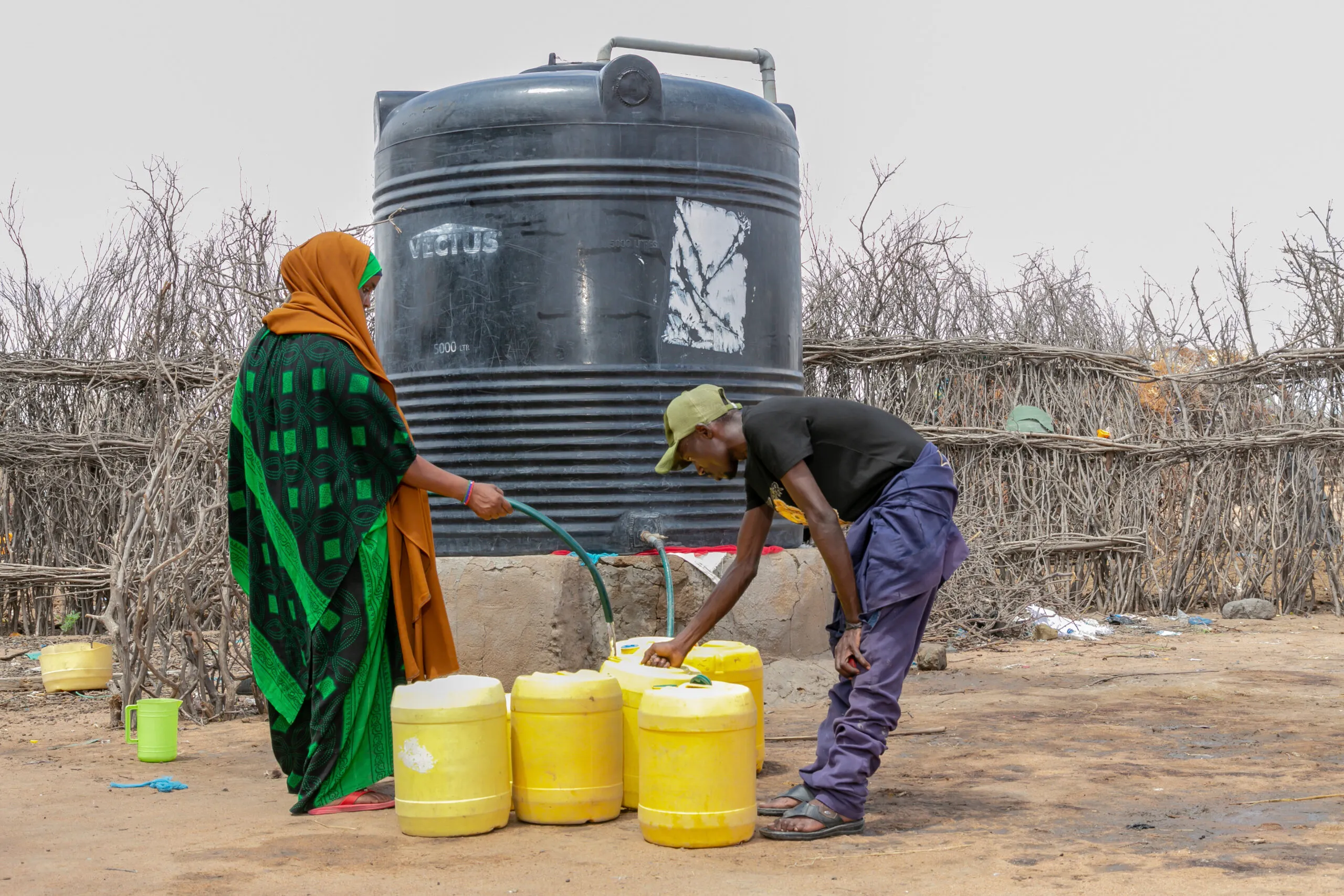
Effective response and resilient recovery that safeguard dignity and prioritize inclusion. CARE Kenya delivers life-saving assistance during crises, expands water access and sanitation infrastructure, and links relief to long-term recovery. This places women's leadership at the heart of humanitarian action.

Project overview

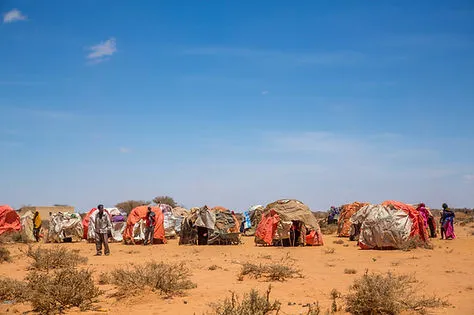
The Integrated Support through Protection and Resilience Action for Crisis-Affected and Displaced Communities in Dadaab, Kenya, is part of a wider Kenya–Somalia intervention aimed at improving access to lifesaving protection assistance for crisis-affected and displaced populations. The project responds to the needs of refugees, internally displaced persons, GBV survivors, women and girls at risk, persons with disabilities, and other vulnerable groups affected by conflict, displacement, climate-related shocks, drought, floods, disease outbreaks, and reduced access to essential services.

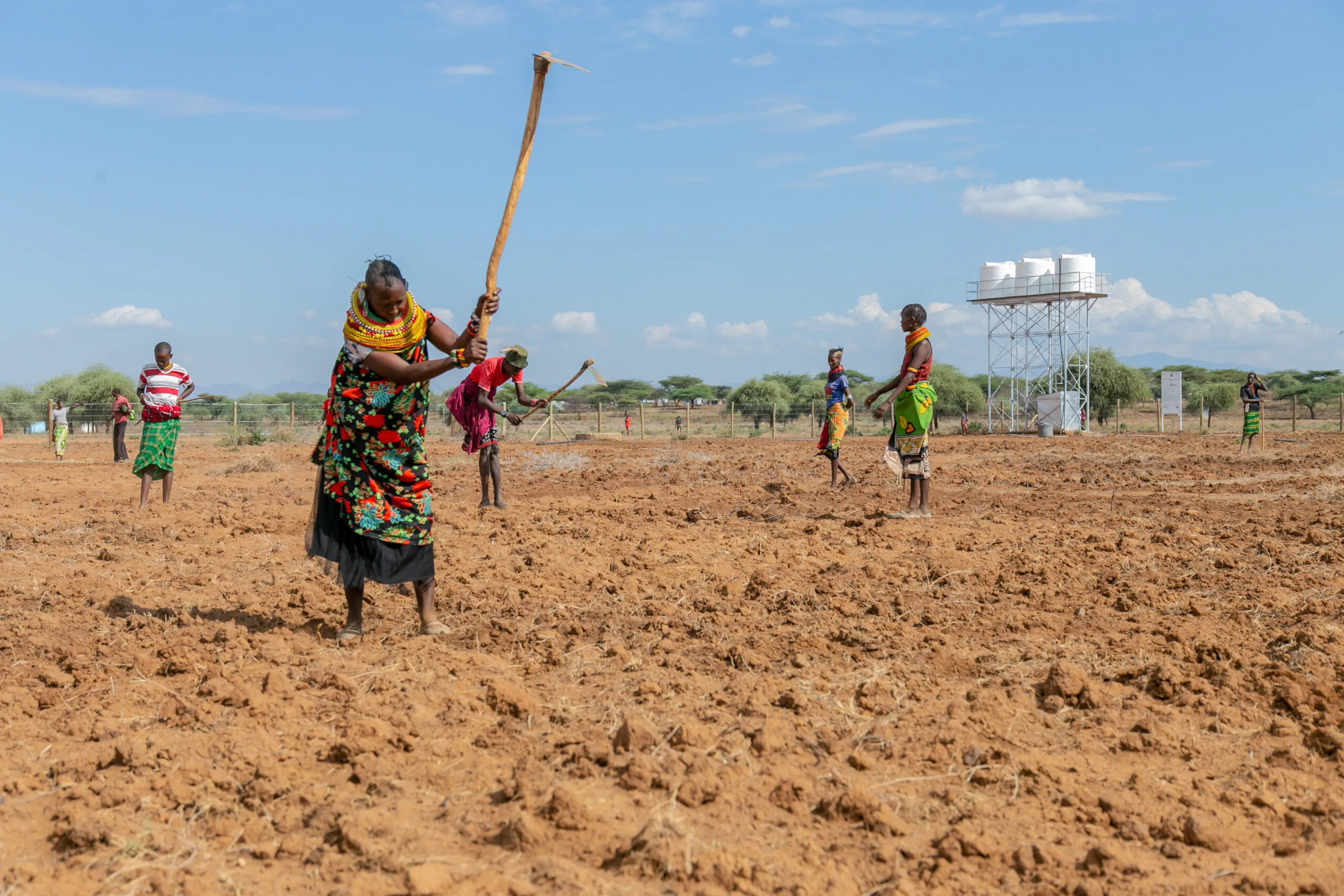
In Kenya, the project is implemented in the Ifo 2 Refugee Camp in Dadaab, targeting refugees and vulnerable community members facing heightened protection risks. The intervention combines GBV prevention and response, access to justice, women and girls’ safe spaces, dignity support, disaster preparedness, climate-smart livelihoods, and risk mitigation measures such as improved public lighting.

The Kenya component contributes to the overall two-country target of 84,421 individuals, with Kenya’s target at 42,078.
Objectives

General Aim

To contribute to gender equality by strengthening the resilience of communities impacted by climatic shocks and GBV in Kenya and Somalia.

Specific Objectives

Strengthening communities and service providers’ capacities to prevent and respond to GBV, addressing its root causes

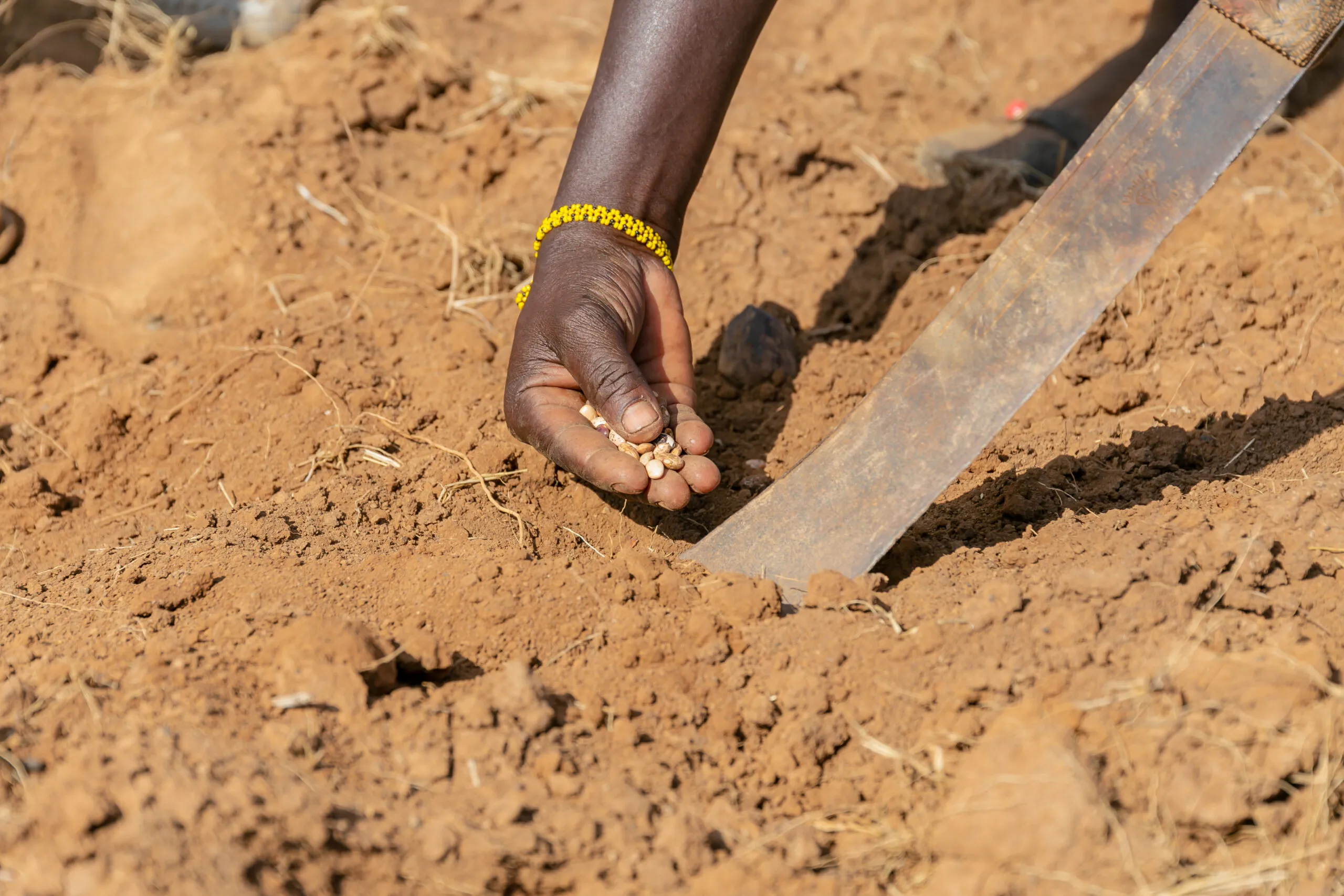
Contribute to women’s empowerment and resilience by enhancing their participation and leadership in disaster risk reduction (DRR) and climate-smart livelihoods

Key Achievements

Overall reach – 29,509 people accessed lifesaving GBV prevention and response services, representing 70% of the 42,078 Kenya target.

GBV prevention awareness – 28,347 individuals reached out of the 42,000 target (67%); rollout is ongoing with strengthened Ifo 2-specific verification.

Access to justice – 947 community members reached through legal information clinics against a target of 2,000 (47%).

Legal referral capacity strengthened through recruitment of 3 out of 3 paralegals, achieving 100% of the paralegal recruitment target.

Evidence base completed – service provider mapping, GBV Safety Audit, and WGSS Needs Assessment were all completed, each achieving 100% of the target.

Dignity support – 150 dignity kits distributed to women and girls using WGSS services, reaching 30% of the 500-kit target; 350 kits remain for distribution.

Disaster preparedness – 50 women trained on GBV-sensitive disaster preparedness, achieving 100% of the target.

Feedback and accountability – CDCS FAM approach developed and aligned to CARE systems for partner operationalization.

The project is implemented by CARE Kenya in partnership with Refugee Consortium of Kenya (RCK) and Halgan, with technical coordination involving protection actors, camp leadership structures, service providers, and community representatives.

Partner With Us

Contact Us